 Birch Bay Siding
 Board & Batten Siding for Marietta Homes Near Birch Bay
Marietta sits close enough to the water that its homes take a different kind of weathering than siding jobs even a few miles inland in Whatcom County. Salt-laden air off Birch Bay, wind-driven rain that comes in sideways during winter storms, and a shaded, damp moss season that can run half the year all work against siding that isn't built or installed for this exact environment. Board and batten is one of the most popular looks we install in this neighborhood, and it happens to be a style that, done correctly, holds up well here. Done poorly, it's one of the faster ways to end up with rot, streaking, and premature paint failure.
This page is about that one service, in this one area: what board and batten needs to survive a Marietta winter, what a correct installation actually involves, and why a crew that already knows this stretch of coastline matters more than it might seem.
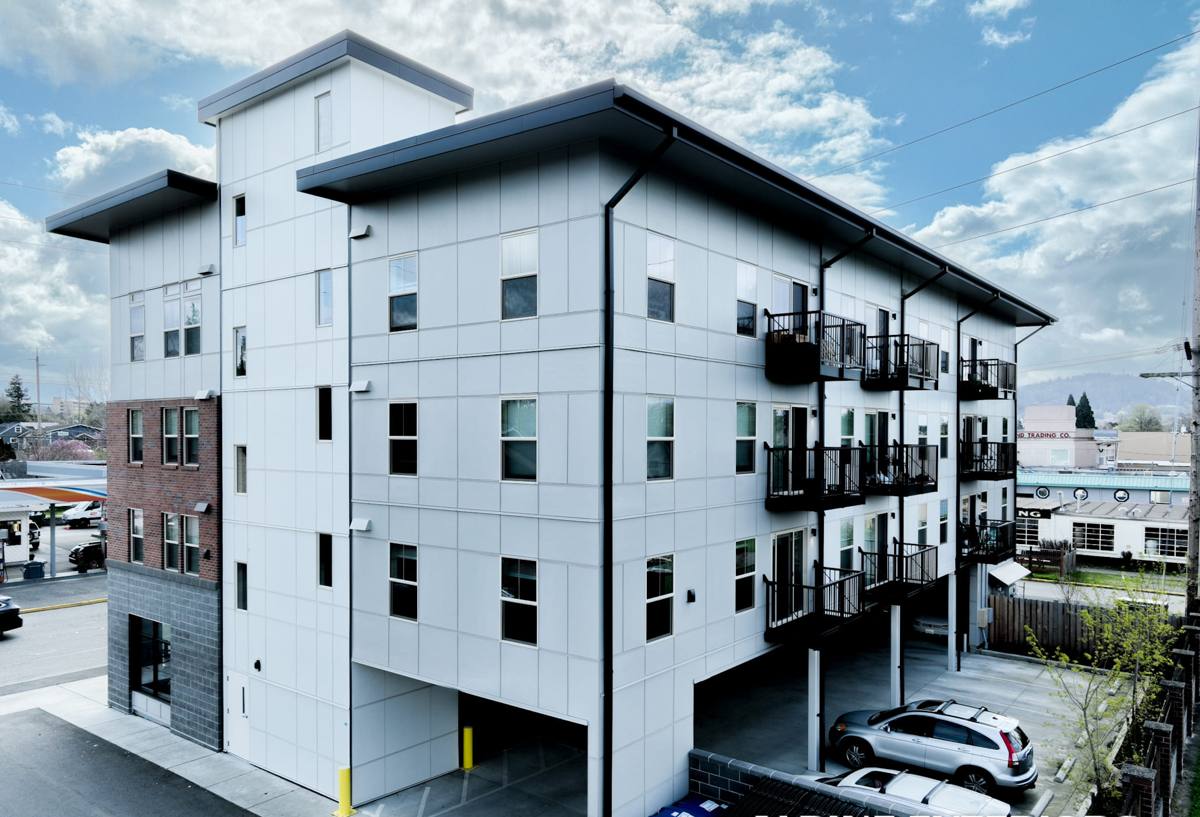
Why Board & Batten Suits Marietta's Homes
Board and batten is a vertical siding pattern — wide flat panels or boards with narrow battens covering the seams — that reads as clean, modern-farmhouse, or classic Pacific Northwest coastal, depending on trim and color choices. It's a good match for the mix of newer builds and older beach-community homes you see around Marietta and the rest of Birch Bay, and it pairs well with the low-slope rooflines and covered porches common in the area.
Beyond looks, the vertical profile has a practical advantage in a wet climate: water runs down the face of the boards rather than pooling on horizontal ledges the way it can with lap siding that's been installed with tight or inconsistent reveals. That only holds true, though, if the battens and the water management behind them are done right — which is where a lot of board and batten jobs in coastal areas start to fail early.
What Marietta's Climate Actually Does to Siding
Salt Air and Corrosion
Homes within a mile or two of Birch Bay's shoreline are exposed to airborne salt that accelerates corrosion on exposed metal — fasteners, flashing, and trim connectors included. Siding systems that rely on standard fasteners or thin-gauge flashing tend to show rust streaks and early failure points at those metal connections well before the siding material itself is due for replacement.
Wind-Driven Rain
Storms coming off the Strait of Georgia and Birch Bay don't just drop rain — they push it horizontally into wall assemblies with real force. Any gaps in caulking, undersized flashing, or face-nailed battens without proper sealing become entry points. Once water gets behind the siding, it's trapped against sheathing that doesn't dry quickly in this climate, and that's when rot starts, usually invisibly, behind the wall.
Moss and Sustained Moisture
Marietta's tree cover and marine humidity mean long stretches where north- and west-facing walls stay damp for days at a time. Moss, algae, and mildew take hold on siding that can't shed water and dry between rain events. On wood-based products this moisture cycling is what drives swelling, cracking, and eventual rot. On a properly installed fiber cement system it's mostly a cosmetic issue that periodic cleaning handles — a meaningful difference over a 20- to 30-year ownership horizon.
What a Correct Board & Batten Installation Involves
Board and batten looks simple from the street, but it has more failure points than standard horizontal lap siding if it's rushed. On every Marietta job we treat these as non-negotiable:
Rainscreen and Drainage Plane
A vented rainscreen gap behind the siding lets any water that does get past the face dry out instead of sitting against the sheathing. In a climate with Marietta's rainfall and humidity, skipping this step is one of the most common reasons board and batten jobs fail early, especially on walls that don't get much sun.
Batten Spacing and Fastening
Battens need consistent, code-compliant spacing over the seams, with fasteners set to hit framing or proper blocking — not just the panel. Fastener placement and corrosion-resistant hardware matter more here than in a drier inland climate, because a fastener that starts to corrode becomes a water path straight into the wall.
Flashing, Trim, and Penetrations
Every window, door, hose bib, and vent penetration through board and batten siding needs proper flashing and sealant detailing. Horizontal battens or trim at wall bottoms need a drip edge and kickout flashing where walls meet rooflines, so wind-driven rain is directed away from the wall rather than channeled into it.
Panel and Batten Material
We install James Hardie's fiber cement board and batten system exclusively. It's engineered to hold paint and factory finish without the swelling, cupping, or seam separation that wood-based or engineered-wood board and batten products can develop under repeated wet-dry cycling.
James Hardie Board & Batten: The System We Install
We only install James Hardie fiber cement siding, and board and batten is one of the profiles where that standard shows up most clearly. Hardie's panels are non-combustible, engineered specifically for Pacific Northwest moisture exposure through their HZ5 product line, and finished with the factory ColorPlus finish system rather than field-applied paint, which is the finish layer that takes the brunt of salt air and UV exposure.
| Factor | Hardie Fiber Cement Board & Batten | Wood or Engineered Wood Board & Batten |
|---|---|---|
| Moisture response | Dimensionally stable; resists swelling and cupping | Prone to swelling, cupping, and seam gaps with repeated wet cycles |
| Finish | Factory ColorPlus finish, baked on and warrantied | Field-applied paint or stain; needs recoating on a shorter cycle |
| Combustibility | Non-combustible material | Combustible |
| Typical repaint interval in this climate | 15+ years, often longer | 5-8 years |
| Pest and rot exposure | Not a food source for insects or rot fungi | Vulnerable if moisture gets behind the boards |
We don't install LP SmartSide, cedar, primed spruce, vinyl, or other fiber cement brands. That's a standard we hold across every project, not a Marietta-specific call, but it matters more here than in a drier climate because the trade-offs those products carry — moisture sensitivity, recoat cycles, fastener corrosion — are the exact things Marietta's weather goes looking for.
How Our Process Works on a Marietta Board & Batten Job
- Site walk and wall assessment — we look at existing wall condition, sun and wind exposure per elevation, and current moisture or rot signs before quoting anything.
- Measurement and material plan — panel layout, batten spacing, trim details, and flashing plan specific to your home's window and door openings.
- Removal and sheathing check — old siding comes off and sheathing gets inspected for hidden water damage before anything new goes up. This step catches problems a quote from a photo or drive-by estimate would miss.
- Weather barrier and rainscreen install — the drainage plane goes in correctly the first time, since it's invisible once the siding is up.
- Panel and batten installation — fastened to framing with corrosion-resistant hardware, correct reveal and batten spacing throughout.
- Flashing and trim detail work — windows, doors, corners, and roof-wall intersections get sealed and flashed to shed water, not trap it.
- Final walkthrough — we go over the finished job with you before calling it done.
Board & Batten Compared to Other Siding Styles
| Consideration | Board & Batten | Standard Lap Siding | Shake/Shingle Panel |
|---|---|---|---|
| Water shedding on vertical wall | Very good with proper rainscreen | Good; depends on consistent reveal | Moderate; more surface texture to trap moisture |
| Best-suited exposure | Most elevations, including wind-exposed walls | Most elevations | Better on protected or accent walls |
| Visual style | Modern farmhouse, coastal, craftsman accents | Traditional, versatile | Cottage, rustic coastal |
| Relative install complexity | Higher — more seams and fastening points | Standard | Higher — more individual pieces |
Maintaining Board & Batten Siding in a Marietta Microclimate
- Rinse siding annually, focusing on north- and west-facing walls where moss and algae build up fastest
- Keep gutters clear so overflow doesn't run down wall sections repeatedly during winter storms
- Trim back vegetation and tree cover that keeps any wall shaded and damp for extended periods
- Inspect caulking at window and door trim yearly; re-seal any cracked or separated joints before winter storm season
- Watch for streaking or discoloration near fastener points, which can indicate an early corrosion issue worth a closer look
- Have battens and trim checked after major windstorms for any movement or loosened fasteners
Why a Crew That Already Works Marietta Matters
Siding specs written for a general Pacific Northwest climate don't always account for a specific neighborhood's exposure. A crew that's worked walls in Marietta and around Birch Bay already knows which elevations catch the worst of the wind-driven rain off the water, where moss tends to establish first, and how much salt exposure to plan fastener and flashing choices around. That's the kind of judgment that doesn't show up in a generic estimate — it shows up years later, in whether the job is still performing the way it should.
It also means faster, more accurate estimates. We're not learning your street's wind exposure or drainage patterns for the first time; we've already seen how homes like yours perform in this specific stretch of Whatcom County.
If you're weighing a board and batten look for your Marietta home, or replacing siding that's already showing what this climate can do to the wrong product, we're glad to take a look and give you a straight, no-pressure estimate — just fill out the form below.