 Birch Bay Siding
 Siding for Sandy Point Homes
Sandy Point sits on the water just west of Birch Bay in northern Whatcom County, and it's about as direct an exposure to marine weather as you'll find in this part of the state. Homes here sit close to the shoreline on low, flat ground, which means salt-laden air moves across the property almost constantly, storms push rain sideways into walls rather than letting it fall straight down, and shaded or north-facing siding can stay damp for days at a stretch during the wetter months. We work in Sandy Point and the surrounding Birch Bay area regularly, and the way we approach a home's exterior here is built around what that specific combination of salt air, wind-driven rain, and a long moss season actually does to siding, trim, and roofing over the years.
We install James Hardie fiber cement siding exclusively. For a waterfront property in a spot like Sandy Point, it's the material we recommend without hesitation, and we'll explain exactly why below.
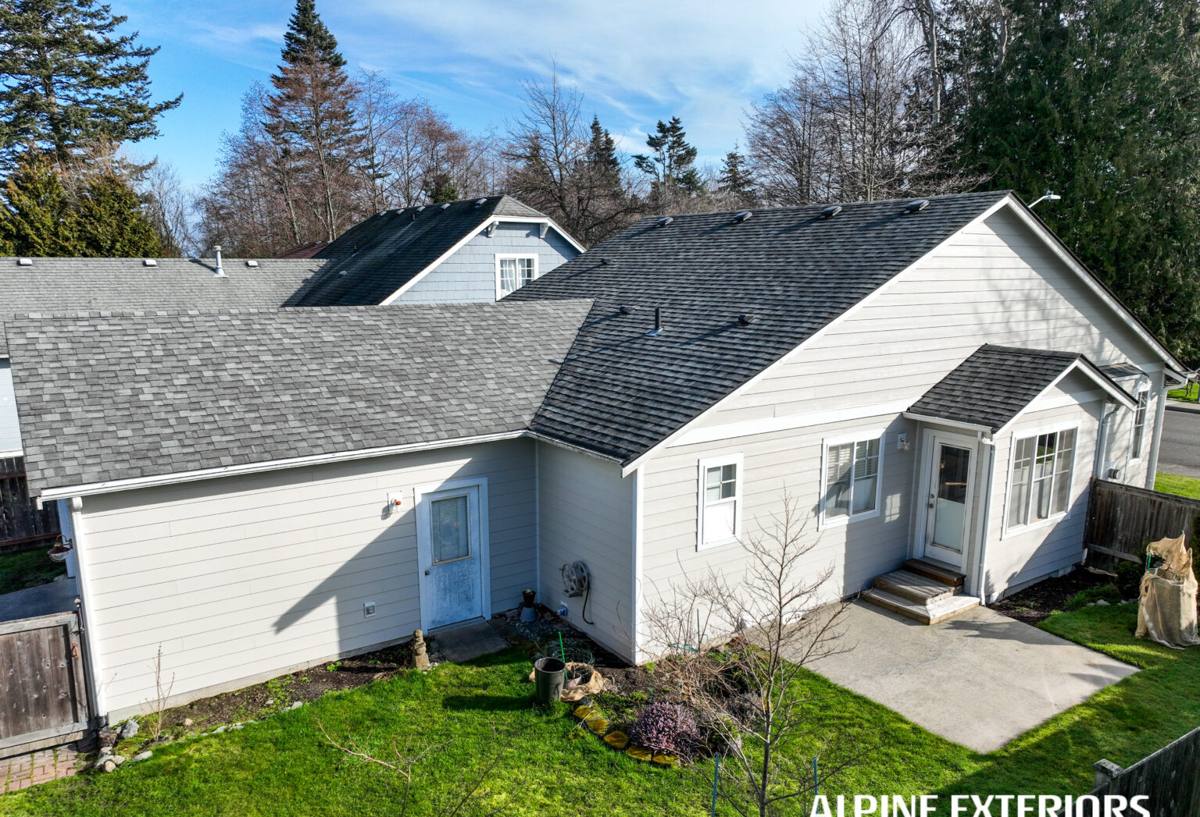
What the Climate Does to a Sandy Point Home
Salt Air, Every Day
Being this close to the water means Sandy Point homes take on more airborne salt than a property even a mile or two inland. Salt is corrosive to fasteners, metal flashing, and trim hardware, and over time it can also break down lower-grade paint and finishes faster than a drier climate would allow. Materials and hardware chosen without that corrosion risk in mind tend to show it first — rust streaking at fastener heads, pitted or discolored trim, finishes that dull and chalk ahead of schedule.
Driving Rain Off the Water
Storms coming off the water bring wind along with the rain, and wind-driven rain behaves differently than a calm, straight-down shower. It gets forced sideways into wall assemblies, under trim, and into window and door flashing that a gentler rain would never reach. On a low, waterfront lot like Sandy Point, that sideways-driven moisture load is a bigger factor in how an exterior performs than the area's average annual rainfall would suggest on its own.
A Long Moss and Mildew Season
Mild temperatures, near-constant moisture, and plenty of shaded wall area on most homes add up to a moss and mildew season that runs long here — often close to year-round on north-facing walls or anywhere shielded from direct sun. Moss and mildew aren't just cosmetic problems. Once organic growth takes hold on a wall, it holds moisture directly against whatever's underneath, and that's the exact condition that leads to hidden rot behind siding that still looks fine from the yard.
Low, Flat Terrain and Drainage
Sandy Point's low-lying, waterfront terrain also means ground moisture and drainage deserve real attention. Siding installed too close to grade, or without enough clearance and drainage detailing behind it, can wick up moisture from wet ground the same way it takes on moisture from wind-driven rain. On flat coastal lots, water that isn't given a clear path to drain tends to just sit, which extends how long any given wall assembly stays wet after a storm.
Why We Only Install James Hardie Siding
We didn't always limit ourselves to one siding product. That changed after years of service calls and tear-offs across Birch Bay and the surrounding waterfront communities, where we kept seeing the same pattern: materials that performed fine in milder, more sheltered settings struggled in this specific combination of salt air, sustained moisture, and heavy moss exposure. That experience, not a supplier relationship, is why we standardized on James Hardie fiber cement.
- Non-combustible core: Fiber cement doesn't feed a fire the way wood-based siding products can, which matters for household safety and can matter for insurance as well.
- Factory-applied ColorPlus finish: The color is baked on under controlled factory conditions instead of brushed on in the field, so it resists fading, chalking, and moisture intrusion far longer than site-applied paint typically does.
- Climate-engineered HZ product lines: Hardie builds different formulations for different climate zones, including versions engineered for regions with sustained moisture exposure — a real match for a salt-air, waterfront property like one in Sandy Point.
- Dimensional stability: Fiber cement doesn't swell, cup, or warp the way engineered wood siding can after repeated wet-season moisture cycles, which matters more here given how long the wet season and moss season both run.
- Strong transferable warranty: Hardie backs its products with a solid, transferable warranty structure when the installation follows spec, which gives homeowners real protection instead of a marketing claim.
We don't install LP SmartSide, vinyl siding, Cemplank, Allura, primed spruce, or cedar. Each of those has a legitimate place in the broader market, and plenty of homeowners elsewhere are satisfied with them. But we made a professional call that one system we fully stand behind, installed correctly, serves a homeowner better over the long run than a cheaper option that quietly shifts maintenance risk onto them a few years down the road — especially on a lot that sits this close to salt water.
Comparing Common Siding Materials for a Waterfront Lot
| Material | Moisture Behavior | Salt Air Durability | Typical Longevity Here |
|---|---|---|---|
| James Hardie fiber cement | Dimensionally stable, resists swelling and cupping | Factory finish holds up well against fading and chalking near salt water | 30+ years with correct installation |
| Vinyl siding | Can warp or distort under heat and settle over time | Seams and fastener points are exposure risks in salt air and wind | Variable; shorter on exposed waterfront lots |
| LP SmartSide / engineered wood | Wood-based core is moisture-sensitive at cut edges and joints | Requires diligent edge sealing to hold up near the water | Depends heavily on installation quality and upkeep |
| Cedar / primed wood | Absorbs and releases moisture readily | Needs frequent refinishing in salty, wet air | Shorter without consistent, ongoing maintenance |
What Correct Installation Looks Like on a Waterfront Property
Material choice only gets a Sandy Point home partway there. The rest comes down to installation detail: fastener types and spacing rated for corrosion resistance, proper clearance from grade so panels aren't sitting in wet ground or splash-back, joints that are lapped or factory-mitered and properly sealed rather than simply butted together, and drainage or rain-screen detailing behind the siding where the wall assembly calls for it. A Hardie product installed loosely or without those details will still develop moisture problems on a lot this exposed — the material only performs the way it's engineered to when the installation matches it.
Repair vs. Full Replacement
Not every siding issue on a Sandy Point home means a full tear-off. An isolated impact-damaged section, a trim piece that's failed around one window, or storm damage limited to a single wall can often be repaired and matched into existing Hardie siding. But if moisture has been tracking behind the wall for a while, or a home still has an older, non-Hardie product reaching the end of its service life, patching it usually just delays a bigger job while hidden rot keeps spreading underneath. We'll give you a straight answer about which situation you're actually looking at before recommending either path.
Roofing, Windows, and Decks Near the Water
Siding problems on a waterfront home rarely start with the siding itself. A roof valley that's lost its seal, a window that wasn't flashed correctly, or a deck ledger trapping moisture against the wall can all surface as siding damage long before anyone traces the water back to where it's actually getting in. Because we handle roofing, windows, and decks along with siding, we treat a Sandy Point property as one connected exterior system dealing with the same salt air, wind-driven rain, and moisture — not a set of separate jobs where nobody's looking at the whole picture.
Roofing Considerations
Roofs on the water side of Birch Bay take the most direct hit from this climate — sun, salt air, wind-driven rain, and moss all land on the roof plane before anything else. Correctly lapped flashing at every penetration and roof-to-wall transition, quality underlayment, and ventilation that lets the roof deck actually dry out between storms are baseline requirements here, not upgrades.
Window Considerations
Wind-driven rain off the water finds gaps around window flashing faster than almost anywhere else on a house. How new window flashing ties into the surrounding wall assembly and siding is one of the most important details on an exterior project this close to the shoreline, and one of the details most likely to get rushed by a crew that doesn't work this kind of exposure often.
Deck Considerations
Decks in Sandy Point deal with near-constant salt exposure, direct UV, and repeated wetting and drying, which is hard on fasteners, structural connectors, and lower-grade decking materials alike. Ledger board attachment where a deck meets the house deserves particular attention, since a poorly flashed ledger is a direct path for water into the wall behind it.
Cost Factors for Sandy Point Exterior Work
| Factor | What It Affects | Why It Matters Here |
|---|---|---|
| Tear-off vs. overlay | Labor scope and substrate access | Tear-off reveals hidden moisture and rot damage that's common under older siding on waterfront lots |
| Substrate condition | Repair costs before new siding or roofing goes on | Long-term trapped moisture and salt exposure can affect sheathing, framing, and fasteners |
| Fastener and hardware grade | Material cost and long-term durability | Corrosion-resistant fasteners cost more upfront but hold up far longer in salt air |
| Grade and drainage detailing | Siding clearance and moisture management | Low, flat waterfront lots need deliberate drainage planning near grade |
| Site access | Labor time and staging needs | Waterfront lots can have tighter access or seasonal considerations that affect scheduling |
Exact costs depend on the specific property, its exposure, and what's found once the old siding or roofing comes off, which is why we walk each home in person before giving a real number rather than quoting from a generic price sheet.
Why a Local Crew Matters in Sandy Point
A crew that works Birch Bay and Sandy Point regularly already knows how salt air, wind-driven rain, and a long moss season behave on real homes here over a full year — not just how a product performs on a spec sheet. That experience shapes practical decisions on install day: which wall orientations stay wet the longest, where extra flashing attention actually pays off, and which fastener grade is worth the added cost so a homeowner isn't dealing with rust streaks and callbacks a few winters down the road. A waterfront lot like one in Sandy Point sees a meaningfully harsher exposure than homes set back even a short distance from the shoreline, and a crew with real local experience treats that difference seriously instead of applying a one-size-fits-all approach built for a calmer, more sheltered site.
A Simple Checklist Before Hiring for Exterior Work in Sandy Point
- Ask what siding material they install and why, and whether they stand behind it with a written, transferable warranty
- Confirm they carry current Washington state contractor licensing and active liability insurance
- Ask how they detail flashing at windows, doors, and roof-to-wall transitions specifically for wind-driven rain off the water
- Ask about fastener and hardware corrosion resistance, particularly for decks, roofing, and trim
- Get a clear, written scope of work before any contract is signed
What to Expect When You Call Us
We start with an on-site walk-through of the home's siding, roofing, windows, and any deck connections, looking specifically at how the current exterior has handled salt exposure and moisture over time. From there we put together a clear, written scope and timeline before any work begins, and we're upfront about whether a property needs a targeted repair, a partial replacement, or a full re-side. Throughout the project, the flashing, drainage, and fastener details that matter most on a waterfront lot are handled as standard practice, not treated as optional upgrades.
- An honest, on-site assessment of siding, roofing, windows, or decking, depending on what's being addressed
- A clear explanation of why we recommend James Hardie for a property with this kind of salt-air, waterfront exposure
- A written estimate with no pressure to sign on the spot
- Straight answers about repair versus replacement, based on what we actually find
If your Sandy Point home needs new siding, roofing, windows, decking, or just an honest second opinion on what's happening behind an aging wall, we're glad to take a look. Reach out using the form below to schedule a free, no-pressure estimate.