 Birch Bay Siding
 Building a Deck That Actually Belongs in Custer
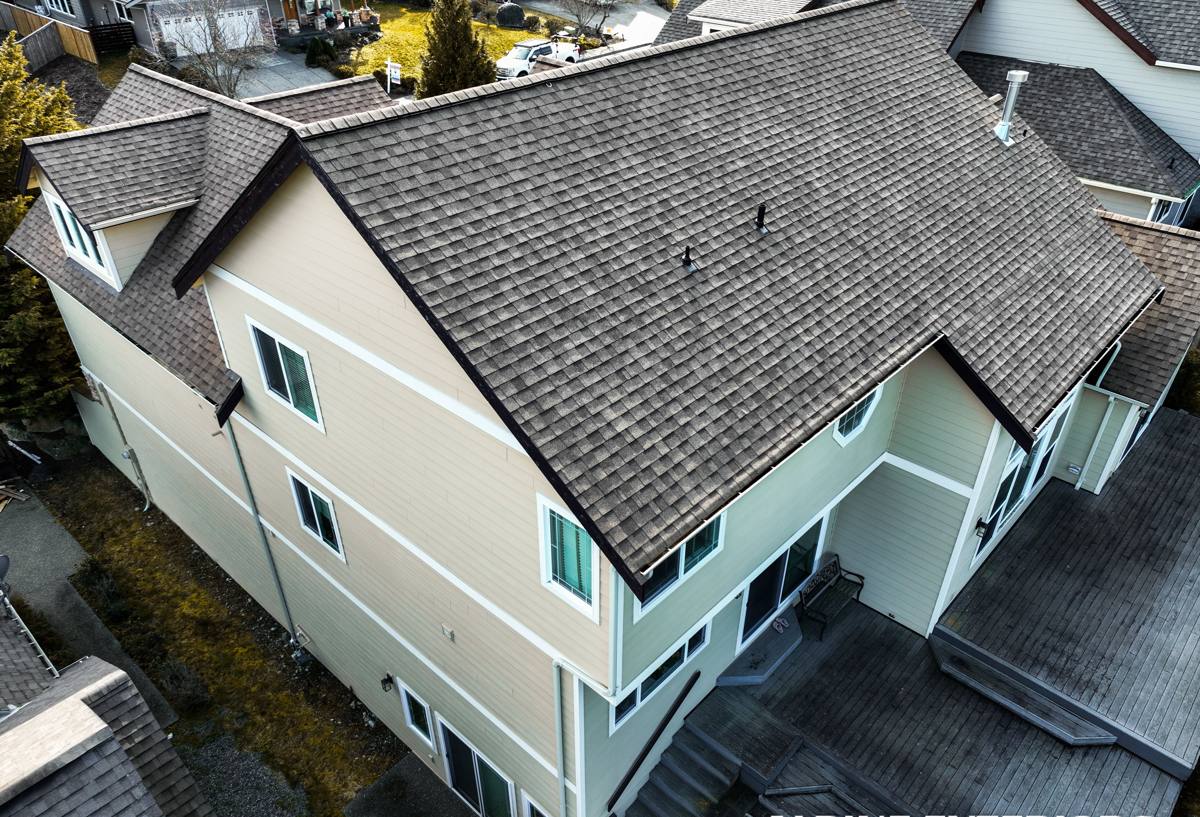
Custer sits close enough to the water that a deck here lives a different life than one built twenty miles inland. Between the salt-laden air blowing off Birch Bay, the driving rain that comes sideways off the Strait through the fall and winter, and a moss season that can stretch from October well into April, an outdoor structure in this part of Whatcom County is under near-constant pressure. A deck built to a generic spec sheet might look fine for a season or two, but the fasteners start to bleed rust, the boards stay damp longer than they should, and moss finds every shaded corner. Building a custom deck for a Custer property means designing around those specific conditions from the first sketch, not treating them as an afterthought.
What This Climate Actually Does to a Deck
Before talking about materials or process, it helps to understand what we're building against. This isn't generic "decks wear out over time" advice — these are the specific failure patterns we see on decks in this area.
Salt Air and Corrosion
Proximity to Birch Bay means airborne salt settles on everything, including metal that never gets rained on directly. Standard zinc-coated fasteners and hardware can start showing surface rust within a few years in a coastal-exposure spot like this. Once a fastener head starts to corrode, it weakens, stains the surrounding wood or composite, and becomes a maintenance headache that's hard to fix without pulling boards.
Driving Rain and Trapped Moisture
Rain in this area doesn't always fall straight down — wind off the water pushes it sideways, which means it gets up under rail caps, into board gaps, and against ledger boards and house siding in ways that vertical-rain assumptions don't account for. Decks that don't have proper flashing, drainage gaps, and slope end up holding water where it does the most damage: at the ledger connection to the house and in any spot where two pieces of material meet.
Moss, Algae, and Shade
A long wet season combined with tree cover common around Custer properties creates ideal conditions for moss and algae growth, especially on the north or shaded side of a house. Moss holds moisture against decking material, and on wood surfaces it accelerates rot. On composite, it's mostly a slip hazard and a cosmetic issue, but it still needs airflow and drainage to keep from taking hold.
Choosing the Right Decking Material for a Custer Property
There's no single "best" decking material — the right choice depends on how much upkeep you want to do, your budget, and how exposed the deck is to sun, shade, and moisture. Here's how the common options actually perform in this specific climate.
| Material | How It Handles This Climate | Maintenance | Typical Lifespan Here |
|---|---|---|---|
| Composite / PVC decking | Resists moisture absorption and won't rot; still needs airflow underneath to discourage mold and algae on the surface | Periodic washing to keep moss/algae from taking hold; no staining or sealing | 25+ years with proper drainage and substructure |
| Cedar | Naturally moisture- and insect-resistant when new, but requires consistent sealing to keep performing that way in a wet, shaded environment | Annual or biennial cleaning and re-sealing/staining | 15-20 years with disciplined upkeep, less if neglected |
| Pressure-treated fir/hem-fir | Budget-friendly framing and decking option; treatment protects against rot but doesn't stop moss growth or fastener corrosion | Regular cleaning, re-staining every few years | 15-20 years for framing, less for decking surfaces |
| Tropical hardwoods (ipe, etc.) | Very dense and naturally rot-resistant; performs well in wet climates but is heavy, hard to work, and needs oiling to hold its color | Periodic oiling if you want to maintain color; otherwise it grays naturally with no structural harm | 25-30+ years |
For most Custer homeowners, we end up steering the conversation toward composite for the decking surface with treated or steel-reinforced framing underneath — it removes moss and rot from the list of things you have to think about every spring. That said, cedar and wood decking are still good choices for homeowners who want that specific look and are willing to keep up with sealing on a schedule.
Framing and Fastener Details That Matter More Here Than Elsewhere
A deck is only as good as what's underneath and holding it together. In a coastal-influenced climate, a few details get more attention from us than they would on a build somewhere drier or further from the bay.
Ledger Flashing
The ledger board — where the deck attaches to the house — is the single most common failure point on decks in wet climates. We flash it properly with a self-adhering membrane and metal drip flashing so wind-driven rain can't work its way behind the board and into the house's wall structure.
Fastener and Hardware Selection
Given the salt exposure around Birch Bay, we lean toward stainless steel or heavy-coated, corrosion-rated fasteners and structural hardware rather than standard-grade options. It costs a bit more up front but avoids the rust streaks and weakened connections that show up early on decks built with base-grade hardware in this environment.
Footings and Post Bases
Footings need to be sized and set to the depth your local permit reviewer requires, with post bases that keep wood posts elevated off concrete so they're not sitting in standing water after a heavy rain event. We also grade and, where needed, add drainage away from footing locations so water isn't pooling against the structure year-round.
Railing, Stairs, and Code Requirements
Railings and stairs aren't just design elements — they're safety-critical and permit-inspected. Whatcom County follows the state building code for guardrail height (generally in the 36-42 inch range depending on application), baluster spacing designed to prevent a small child from passing through, and stair rise/run consistency. On a Custer build, we also think about how railing material handles the climate: metal balusters need a corrosion-resistant finish, and wood rail caps need the same moisture protection as the decking itself, since they're the most rain-exposed surface on the whole structure.
How We Approach a Custer Deck Project
1. On-Site Assessment
We look at sun and shade exposure, existing drainage patterns, soil conditions, and how the house's siding and framing meet the proposed ledger location before we design anything.
2. Design and Material Selection
We walk through material trade-offs honestly — including what a lower-maintenance option will save you in time and money over the years compared to a cheaper build that needs more attention.
3. Permitting
Most new decks and significant deck rebuilds in unincorporated Whatcom County, which includes Custer, require a building permit. We handle the application and inspection scheduling as part of the job so you're not chasing paperwork.
4. Construction
Framing, flashing, and fastening get done to the standards above, not the minimum the code allows. We build the substructure to handle this climate for the long haul, not just to pass inspection.
5. Final Walkthrough
We go over the finished deck with you, including what maintenance (if any) the material you chose will need going forward.
Ongoing Maintenance for This Climate
Even a well-built deck needs some seasonal attention in an area with this much rain and moss pressure. Here's what we recommend regardless of which material you choose:
- Sweep debris and leaves off the deck surface regularly, especially in fall — trapped organic matter is what feeds moss and algae growth
- Rinse or wash the deck surface at least once or twice a year to knock back moss and algae before it establishes
- Check that gaps between boards stay clear so water can drain through instead of sitting on the surface
- Inspect fastener heads and hardware annually for early signs of corrosion or staining
- Confirm the ledger flashing and any caulked joints are still sealed, particularly after a hard winter
- For wood decking, keep to a sealing/staining schedule rather than waiting until it visibly needs it
- Trim back overhanging branches where possible to reduce shade and moisture retention on the deck surface
Why Hiring a Crew That Already Works This Area Matters
A deck contractor who mostly builds in drier inland climates will often use the same specs and material defaults regardless of location — and those defaults aren't wrong everywhere, they're just wrong here. A crew that regularly works Custer and the broader Birch Bay area already knows which fastener grades hold up, where moss tends to establish on a given lot orientation, and what the local permit reviewers expect to see on a plan set. That familiarity shows up less in the finished look of the deck and more in how it's still performing five, ten, and twenty years down the road.
If you're planning a new deck or replacing one that hasn't held up to Birch Bay's weather, we're happy to take a look and talk through honest options for your property. There's no pressure and no cost to get an estimate — just fill out the form below and we'll go from there.