 Birch Bay Siding
 Why Siding Installation in Custer Is Its Own Job, Not a Generic One
Custer sits close enough to the Birch Bay shoreline and the open water of the Strait of Georgia that homes here take a different kind of weathering than siding fifteen miles inland. Salt-laden air corrodes fasteners and finishes faster. Wind-driven rain off the water hits walls at an angle instead of falling straight down, which means it finds gaps that would stay dry in a more sheltered spot. And Whatcom County's long, wet, mild winters give moss and algae months at a time to gain a foothold on any surface that holds moisture or stays shaded. A siding installation done right for Custer has to account for all three at once — not just pick a product and nail it up.
That's the difference between an installation that looks fine for a season and one that actually holds up through twenty or thirty years of this specific coastal climate.
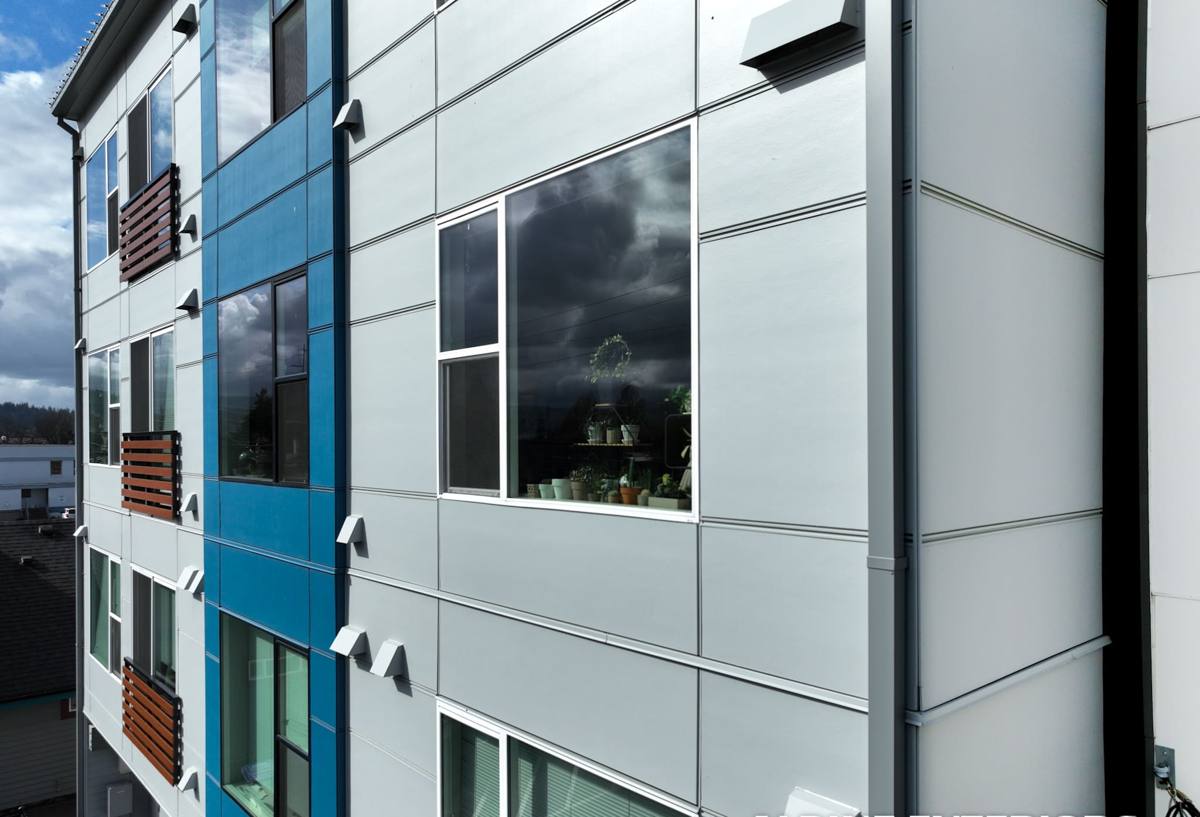
What Local Homes Actually Need From Their Siding
Salt Air Resistance
Airborne salt accelerates corrosion on anything metal — nail heads, flashing, trim fasteners — and it can dull or chalk lower-grade paint finishes over time. Materials and fasteners that aren't rated for coastal exposure will show it first at the fastener heads and cut edges, well before the field of the siding shows any wear.
Driving Rain Management
Wind off the bay doesn't just wet the siding surface — it pushes water sideways and upward into laps, seams, and penetrations. The siding itself is only the visible layer; the water-resistive barrier, flashing details, and lap geometry behind it are what actually keep a wall dry when rain is coming in horizontally instead of straight down.
Moss and Algae Resistance
North-facing walls, shaded elevations, and anything under tree cover in Custer stay damp longer than sunnier walls. Over a few wet seasons, siding that can't shed moisture or resist organic growth starts showing green and black staining, especially near the ground and under eaves.
What a Correct Installation Involves
Good siding is only as good as what's installed under and around it. A correct job in this area includes:
- A continuous, properly lapped weather-resistive barrier — no gaps, no reverse laps that let water run behind the barrier instead of over it
- Correct flashing at every window, door, and roof-to-wall intersection, integrated with the barrier rather than just caulked over the surface
- Proper fastener type, length, and spacing driven to the manufacturer's specification — not just "close enough"
- Correct lap and clearance dimensions so panels can move seasonally and shed water instead of trapping it
- Ventilation gaps where the assembly calls for a rainscreen or drainage plane, especially on walls that take direct weather
- Sealed and back-primed cut edges, since a factory-finished piece cut on site has raw material exposed unless it's treated
Skip any one of these and the siding can still look correct from the curb while quietly failing behind the surface. Most of the coastal siding problems we get called out to inspect trace back to one of these details being missed, not to the siding material itself.
Why We Install Only James Hardie Fiber Cement
We standardized on James Hardie fiber cement siding for every home we work on, including here in Custer, and we don't install vinyl, LP SmartSide, primed spruce, cedar, or other fiber cement brands. That's a deliberate call, not a default.
Fiber cement is non-combustible, which matters given how many properties in this area border wooded lots. It doesn't absorb moisture the way engineered wood products can, which matters directly for salt air and driving rain exposure. And James Hardie's ColorPlus factory finish is baked on under controlled conditions, which holds color and resists the chalking and fading that field-applied paint is more prone to in a coastal environment.
We're not saying every alternative product is bad — vinyl is inexpensive and low-maintenance in mild climates, engineered wood has a warmer look some homeowners want, and cedar has real curb appeal. But vinyl can distort or crack in sustained wind exposure and shows its seams more over time; engineered wood siding depends heavily on field-applied caulking and paint staying intact to keep moisture out, which is a maintenance commitment we've seen slip; and cedar requires ongoing refinishing to hold up against moss and moisture, especially on shaded elevations. For the specific combination of salt air, wind-driven rain, and moss pressure that Custer homes deal with, we've found fiber cement is the product that holds its line the longest with the least maintenance burden — so it's the only thing we put on a wall.
James Hardie Product Lines We Use
| Product | Best Use | Why It Fits Custer |
|---|---|---|
| HardiePlank lap siding | Most home exteriors | Traditional look, factory ColorPlus finish, engineered for coastal/marine exposure |
| HardieShingle | Accent gables, dormers | Shingle look without cedar's moisture and moss maintenance |
| HardieTrim | Corners, fascia, window trim | Matches siding durability at the joints most exposed to driving rain |
| HardiePanel | Modern vertical siding, accent walls | Clean lines for contemporary Custer homes with fewer horizontal laps to maintain |
Our Installation Process
Every job follows the same sequence, whether it's a full re-side or a single elevation:
- On-site assessment — we look at existing siding, sheathing condition, and problem areas like north-facing walls or spots with visible moss or staining
- Tear-off and sheathing check — we don't cover over rot or damaged sheathing; anything compromised gets repaired before new siding goes up
- Weather barrier installation — correctly lapped and taped, with flashing integrated at every penetration
- Siding installation to Hardie spec — correct fasteners, laps, and clearances, cut edges sealed
- Trim, caulking, and finish details — the places most exposed to wind-driven rain get the closest attention
- Final walkthrough — we go over the finished work with the homeowner before calling the job done
Signs a Custer Home Needs New Siding
Some signs are obvious — cracking, warping, visible gaps. Others are easy to miss until they've caused real damage:
- Green or black staining that keeps coming back after cleaning, especially on shaded or north-facing walls
- Soft spots or give when you press on the siding, which usually points to moisture already in the sheathing
- Paint or finish that's chalking, fading, or peeling faster on the wall that faces the water
- Rust streaks running down from fastener heads
- Visible gaps at seams, corners, or trim that weren't there when the siding was new
What Drives the Cost of a Siding Project
| Factor | Why It Matters Here |
|---|---|
| Home size and elevation count | More wall area and more corners/penetrations means more flashing and trim work |
| Existing sheathing condition | Salt air and long-term moisture exposure sometimes mean hidden repairs before new siding goes on |
| Product line and profile | Lap width, shingle accents, and trim choices affect material cost |
| Access and site conditions | Sloped lots, mature landscaping, or tight setbacks near the water can add labor time |
| Color and finish | Factory ColorPlus finishes cost more upfront than field paint but need it far less often |
We give straightforward estimates after seeing the home in person — broad ranges without a site visit aren't useful to you, and we'd rather not guess.
Why Hiring a Crew That Already Works Custer and Birch Bay Matters
A crew that installs siding across Custer and the rest of Birch Bay on a regular basis already knows which elevations on this stretch of coastline take the worst of the wind-driven rain, where moss tends to establish first, and how much flashing detail a given wall orientation actually needs. That's not something you can fully substitute with a spec sheet. It shows up in fewer callbacks and in siding that's still doing its job fifteen years out, not just five.
A Short Checklist Before You Hire
- Do they install to the manufacturer's written installation specification, not a generalized approach?
- Can they explain how they'll handle flashing at your specific windows, doors, and roof intersections?
- Do they check and address sheathing condition before covering it, rather than assuming it's fine?
- Are they James Hardie-familiar enough to talk through product lines, not just colors?
- Do they have local experience with coastal Whatcom County conditions specifically, not just general siding experience?
Get a Straightforward Estimate
If your Custer home's siding is showing its age — or you just want an honest read on whether repair or replacement makes more sense — we're happy to take a look. There's no pressure and no obligation, just a clear assessment and a straightforward estimate based on what your home actually needs. Use the form below to get started.