 Birch Bay Siding
 Why Sandy Point Roofs Wear Differently Than Roofs Inland
Sandy Point sits right up against the water, and that changes what a roof has to deal with every single day. Homes a few miles inland in Whatcom County get rain and the occasional windstorm. Homes in Sandy Point get all of that plus a steady dose of salt-laden air coming off the water, near-constant humidity, and long stretches of gray, wet weather that keep every roof surface damp for days at a time. None of that is dramatic on its own, but stacked up year after year, it's exactly the combination that ages roofing material faster than the manufacturer's brochure suggests.
We install and service metal roofing throughout Birch Bay, and Sandy Point is one of the areas where the difference between a roof that's built for this coastline and one that isn't shows up fastest. This page is specifically about metal roofing for Sandy Point homes — what the environment demands, what a correct installation actually involves, and how we approach the job.
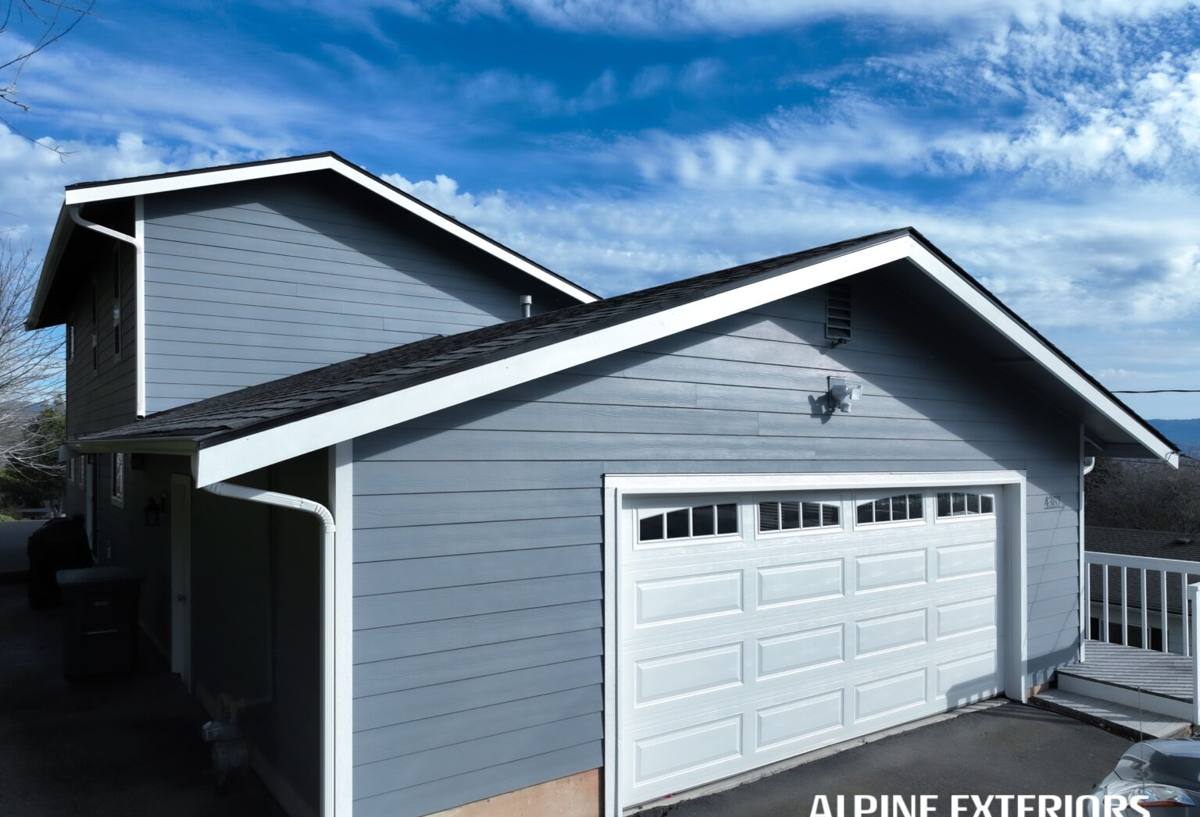
What This Stretch of Coastline Does to a Roof
Salt Air and Corrosion
Airborne salt settles on every exterior surface near the water, including roofing. It's not a problem for the metal panel itself when the panel and its fasteners are matched correctly, but it is a real problem for mismatched metals, exposed cut edges, and cheaper fastener coatings. Galvanic corrosion — where two dissimilar metals react against each other in the presence of moisture and salt — is one of the more common failure points we see on coastal metal roofs that weren't detailed with this exposure in mind.
Moss and Constant Moisture
Birch Bay's moss season runs long, and Sandy Point's proximity to the water keeps humidity and shade-driven dampness around even longer in places. Moss doesn't grow on bare, properly finished metal the way it does on shingles or untreated wood, which is one of metal's real advantages here — but moss and organic debris can still build up in valleys, at panel laps, and around penetrations if a roof isn't detailed to shed water and debris cleanly. Trapped moisture against any roofing material, metal included, is where problems start.
Driving, Wind-Blown Rain
Storms coming off the water don't just drop rain straight down — they push it sideways, up under laps, and into any gap that isn't properly sealed or lapped. A roof detail that works fine on a calm, inland lot can leak on a wind-exposed Sandy Point roof if the underlayment, flashing, and fastening pattern weren't built for that kind of pressure.
Why Metal Roofing Is a Strong Fit for Sandy Point
We don't push metal roofing on every home — it's not the right material for every budget or every roof shape. But for a coastal property in Birch Bay, it solves several problems at once:
- Moss resistance: a smooth, properly finished metal surface gives moss and algae far less to grip compared to shingles.
- Water shedding: steep-slope metal panel systems move water off the roof quickly, which matters when wind is driving rain sideways.
- Long service life: a correctly installed and finished metal roof, matched to the coastal environment, is built to outlast asphalt shingle roofing by a wide margin.
- Low maintenance surface: no granule loss, no shingle curling or cracking from repeated wet-dry cycling.
The trade-off is upfront cost and installation sensitivity — metal roofing rewards correct detailing and punishes shortcuts more than shingle roofing does, which is exactly why the installation section below matters as much as the material choice.
Choosing the Right Metal System for a Salt-Air Environment
Not every metal roofing product is built the same way, and in a salt-air location the differences matter more than they would a few miles inland.
| Option | Best For | Coastal Consideration |
|---|---|---|
| Standing seam steel (concealed fasteners) | Homes wanting the cleanest look and fewest long-term maintenance points | No exposed fastener heads means fewer points where salt air can start corrosion over time |
| Exposed-fastener metal panels | Budget-conscious projects, outbuildings, garages | Requires correct fastener metal and gasket type; exposed heads need periodic inspection near the water |
| Aluminum panel systems | Properties closest to the shoreline or with the heaviest salt exposure | Naturally corrosion-resistant, often preferred right along the water |
| Galvalume or painted steel | Most Birch Bay and Sandy Point homes | Performs well with the correct factory finish and properly matched fasteners and flashing |
We walk through these options with each homeowner based on how close the home sits to the water, the roof's exposure to prevailing wind, and budget. There isn't a single "correct" answer for every Sandy Point property — there's a correct answer for that specific roof.
What a Correct Metal Roof Installation Involves
Underlayment and Deck Prep
Metal roofing is only as good as what's underneath it. On a Sandy Point roof we pay particular attention to a high-quality synthetic or self-adhering underlayment, since it's the backup layer that protects the deck if wind-driven rain ever gets past a lap or a penetration. Any soft, rotted, or water-damaged decking gets replaced before a single panel goes down — installing new roofing over a compromised deck just hides a problem instead of fixing it.
Fastener and Flashing Compatibility
Every fastener, flashing piece, and trim component has to be matched to the panel metal to avoid galvanic reaction. This is a step that's easy to skip and hard to notice until years later when corrosion shows up at fastener points. We treat this as a non-negotiable part of a coastal installation, not an upgrade option.
Laps, Valleys, and Penetrations
Panel overlap, valley detailing, and the sealing around vents, chimneys, and skylights are where wind-driven rain actually gets tested. These details get built for sideways-blown rain, not just straight-down rain, which is the standard we hold every coastal roof to regardless of which metal system is chosen.
Ventilation
A metal roof still needs a properly ventilated attic underneath it. Good ventilation controls condensation on the underside of the deck and helps the whole roof assembly handle the region's humidity instead of trapping it.
How Our Process Works
- On-site assessment: we look at the existing roof, deck condition, exposure to wind and salt air, and any moss or moisture issues already showing up.
- Material and system recommendation: based on that assessment, we recommend a panel type, finish, and fastener/flashing package suited to the specific property, not a one-size-fits-all package.
- Written estimate: a clear scope of work and cost breakdown before anything is scheduled.
- Tear-off and deck inspection: old roofing comes off, the deck is inspected and repaired as needed, and any hidden moisture or rot is dealt with before it's covered up again.
- Underlayment and panel installation: installed to the detailing standards described above, with attention to laps, valleys, and penetrations.
- Final walkthrough: we review the finished roof with the homeowner and clean up the site.
Maintenance in a Moss-Heavy, Salt-Air Climate
Metal roofing is low-maintenance, not no-maintenance. A little seasonal attention goes a long way toward getting the full service life out of the roof:
- Clear valleys, gutters, and any low points of leaves, needles, and organic debris — especially after fall storms.
- Rinse off built-up salt residue and grime periodically, particularly on roofs with more direct water exposure.
- Check sealant around penetrations (vents, chimneys, skylights) every year or two, since sealant is the one component that ages faster than the metal itself.
- Watch for any moss establishing in shaded valleys or against debris buildup, and clear it before it holds moisture against the surface.
- After any significant windstorm, do a visual check for lifted trim or flashing before the next heavy rain.
Cost Factors for a Sandy Point Metal Roofing Project
Every roof is priced on its own specifics, but the main variables that move cost on a coastal Birch Bay project are consistent:
| Factor | Why It Matters |
|---|---|
| Roof size and pitch | More surface area and steeper pitches increase material and labor |
| Panel and finish choice | Standing seam and aluminum systems cost more upfront than basic exposed-fastener steel |
| Deck condition | Rot or soft decking found during tear-off adds repair scope |
| Roof complexity | Valleys, dormers, chimneys, and skylights add flashing and labor time |
| Access and site conditions | Tight lots, tree cover, or difficult staging near the shoreline can affect labor time |
We give straightforward written estimates so a homeowner knows exactly what's driving the number, rather than a flat per-square figure that doesn't account for the actual roof.
Why It Matters to Hire a Crew That Already Works Sandy Point
A roofing crew that mostly works inland can install a technically fine roof that still isn't built for this environment — because the failure points on a coastal roof aren't the same ones you'd worry about elsewhere. Fastener compatibility, wind-driven rain detailing, and moss-prone valley design aren't things you get right by accident; they come from having actually dealt with what Whatcom County's coastline does to a roof over time. We work throughout Birch Bay, including Sandy Point, and we build every metal roof to the standard this specific stretch of coastline requires — not a generic inland standard.
If you're weighing a metal roof for a Sandy Point home, we're happy to take a look and walk you through the options honestly, including what does and doesn't make sense for your specific roof and budget. Reach out for a free, no-pressure estimate using the form below.