 Birch Bay Siding
 Storm Damage Roofing in the California Creek Area
California Creek sits close enough to the water that every winter storm coming off the Strait of Georgia and Birch Bay itself brings the same combination: sideways rain, sustained wind, and salt-laden air that doesn't let roofing materials dry out the way they would twenty miles inland. Homes in this pocket of Whatcom County take a different kind of beating than a roof in Bellingham's city core or a sheltered lot east of I-5. If you've had a storm come through and you're seeing stains on a ceiling, missing shingles in the yard, or a soft spot when you walk the attic, this page is about what an honest, correct repair looks like for this specific area.
We're not writing about storm damage roofing in general terms. This is about what California Creek roofs specifically deal with, what a repair crew needs to check that a generic company might skip, and why local experience with this stretch of coastline changes how the job gets done.
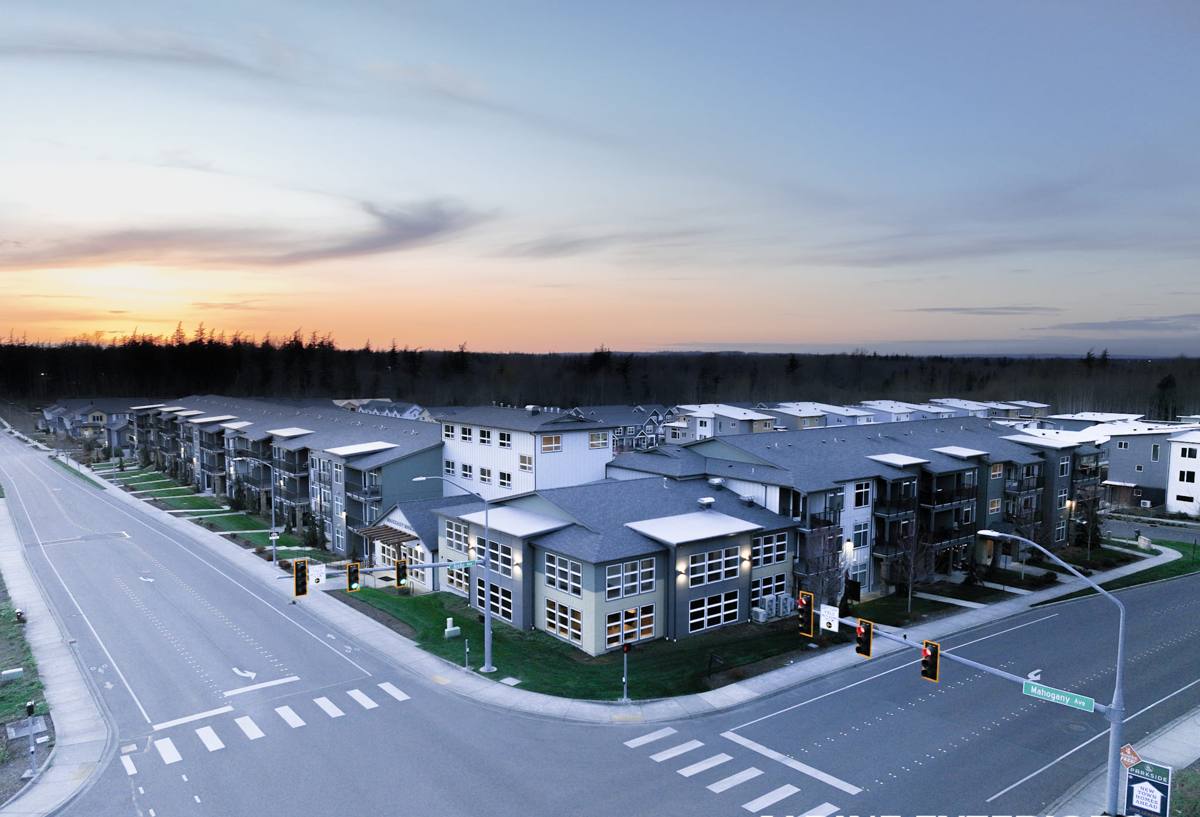
Why California Creek Roofs Take More Damage Than Roofs Further Inland
Wind Exposure
The tree line and terrain around Birch Bay don't offer much of a windbreak close to the water, and California Creek's mix of open lots and gaps between properties means wind can hit roof edges and ridge lines at odd angles during a storm. Wind doesn't just tear shingles off flat — it gets up under an edge, lifts, and works a fastener loose over several storms before anything actually blows off. By the time you see a shingle in the yard, the ones around it have usually already been compromised.
Salt Air and Metal Fatigue
Proximity to Birch Bay means airborne salt settles on everything, including roof flashing, fasteners, and any exposed metal. Salt accelerates corrosion on standard fasteners and thin-gauge flashing far faster than it would on a roof fifteen miles inland. A nail that's rusted through isn't holding anything down, even if the shingle above it still looks intact.
Extended Moss Season
Whatcom County's damp, mild winters already favor moss, and the shaded, moisture-holding lots common around California Creek push that further. Moss doesn't just look bad — it holds water against the shingle surface for months at a time, lifts shingle edges as it grows, and channels water sideways under the roofing when it should be running off. A storm-damaged roof with an existing moss problem fails faster because the moss has already been undermining the seal.
What Storm Damage Actually Looks Like on a Roof Here
Homeowners often assume storm damage means a dramatic hole or a stripped section of roof. Most of the time it's quieter than that. Here's what we actually find when we go up after a wind and rain event in this area:
- Shingles that are lifted or creased but not missing — these look fine from the ground and still leak
- Flashing pulled away from chimneys, vent pipes, or skylight curbs, letting water track down into the wall or ceiling below
- Fastener backout, where wind has worked nails or staples partway out, breaking the seal without dislodging the shingle
- Gutter and downspout separation from wind load, which redirects water against fascia and soffit instead of away from the house
- Granule loss on asphalt shingles from wind-driven debris, which shows up as premature aging in the years after the storm rather than an immediate leak
- Moss-clogged valleys that backed up during heavy rain and pushed water under the shingle courses above
The problem with most of this list is that none of it is obvious from the driveway. That's why a proper storm damage inspection means someone on the roof, not someone looking up at it with binoculars.
A Correct Storm Damage Repair, Step by Step
1. Full Roof Inspection, Not Just the Reported Leak
If you called because of a stain on the living room ceiling, we're not just patching over that spot. Water travels along roof sheathing and rafters before it shows up on drywall, so the visible stain and the actual point of entry are often several feet apart. We check the whole roof plane, the flashing details, and the attic side before deciding on a repair plan.
2. Underlayment and Decking Check
Any spot where water has been getting in for more than a storm or two needs the shingles pulled back so we can look at the underlayment and decking underneath. Soft, delaminating, or stained decking has to be addressed — replacing shingles over compromised decking just hides the problem until it's bigger and more expensive.
3. Flashing Repair or Replacement
Given the salt exposure in this area, we don't reuse corroded flashing just because it's "close enough." Chimney, valley, and penetration flashing get replaced with corrosion-resistant material sized correctly for the detail, not just caulked over.
4. Matched Shingle Replacement
We replace damaged shingles with matching product, tied into the surrounding courses correctly so the repair sheds water the way the rest of the roof does. A patch that isn't woven into the existing courses properly becomes its own future leak point.
5. Moss and Debris Clearing
If moss or debris contributed to the failure, we clear it as part of the repair, not as a separate upsell. A repair that ignores an active moss problem is a repair that fails again next wet season.
Repair vs. Replacement: How We Make That Call
| Factor | Points Toward Repair | Points Toward Replacement |
|---|---|---|
| Age of roof | Under 12-15 years | Nearing or past manufacturer lifespan |
| Extent of damage | Localized to one slope or detail | Multiple areas, widespread granule loss |
| Decking condition | Solid, dry sheathing | Soft, rotted, or repeatedly wet decking |
| Shingle match availability | Matching product still available | Discontinued, mismatched patches would show |
| Storm damage history | First significant event | Repeated storm damage over several seasons |
Most California Creek roofs we're called to after a storm are candidates for a targeted repair, not a full tear-off. But we'll tell you honestly if the damage or the roof's age means a repair is just delaying a bigger cost, rather than pushing a bigger job you don't need.
Insurance and Documentation
Wind and storm damage claims move faster and go smoother when the damage is documented clearly — dated photos, a written description of what failed and why, and a repair scope that matches what the adjuster sees. We document what we find before starting work so you have something usable if you're filing a claim, and we're straightforward with adjusters about what's storm damage versus what's pre-existing wear, because that distinction matters for how a claim gets handled.
Why a Crew That Works This Area Already Matters
A roofer who mostly works drier, more sheltered parts of Whatcom County isn't necessarily thinking about salt-air fastener corrosion or how far moss can travel under a shingle course in a shaded California Creek lot. Those aren't exotic problems, but they're the kind of detail that gets missed by a crew that doesn't see this specific combination of wind, salt, and moisture regularly. We work storm damage repairs in Birch Bay and the surrounding coastline routinely, so the inspection accounts for the things that actually cause repeat failures here, not just the visible damage from the last storm.
What to Do Right After a Storm
- Check the attic (if accessible) for new staining, dampness, or light coming through anywhere it shouldn't
- Walk the yard and gutters for shingle pieces, granules, or flashing fragments — a sign of active roof damage even without a visible leak yet
- Note the date and general conditions of the storm for insurance purposes
- Avoid walking the roof yourself, especially if it's wet or you're not equipped for it
- Get a professional inspection before the next rain event compounds the damage
Waiting on a storm-damaged roof rarely saves money. A lifted shingle or compromised flashing detail that gets caught and fixed quickly is a straightforward repair. The same damage left through another two or three rain events often means replacing wet decking as well, which turns a modest repair into a much larger one.
Get an Honest Look Before the Next Storm
If your California Creek home took damage in a recent storm, or you just want a roof checked before winter weather sets in again, we're glad to come take a look. The estimate is free, there's no pressure, and if the roof doesn't need what you were expecting, we'll tell you that too. Use the form below to get in touch.