 Birch Bay Siding
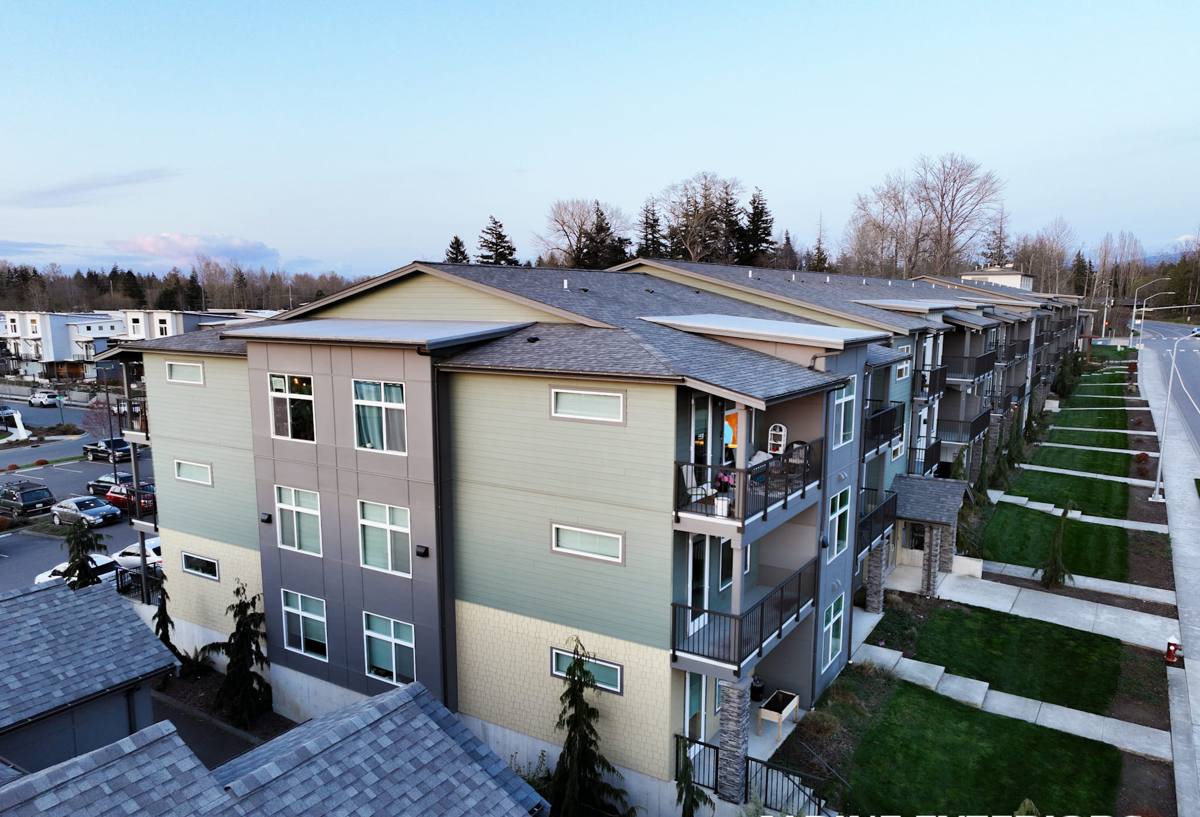
 Building new in Birch Bay Village means making window decisions that will either pay off for decades or turn into a maintenance headache within a few winters. Unlike a retrofit or replacement job, new construction gives you one real chance to get the window opening, flashing, and unit selection right before siding, trim, and interior finishes close everything up. In a Whatcom County coastal community exposed to salt-laden air, wind-driven rain off the Strait of Georgia, and a moss season that can stretch from October through May, that first-pass accuracy matters more than it does almost anywhere else in the state.
This page covers what new-construction window installation actually involves for homes going up in Birch Bay Village, the product and installation choices that hold up locally, and how we approach the work as a siding and exterior contractor that already spends regular time in this specific stretch of shoreline.
Why Birch Bay Village's Climate Changes the Window Equation
Birch Bay sits right on the water, which means homes here deal with a combination most inland Whatcom County builds don't face at the same intensity: airborne salt, near-constant moisture, and wind that drives rain sideways into wall assemblies rather than straight down. Each of these interacts with window openings differently.
- Salt air accelerates corrosion on unprotected fasteners, lesser-grade hardware, and some window frame coatings over time.
- Driving rain tests flashing and sill pan details far harder than a simple downpour would — water gets pushed up and sideways, not just down.
- Moss and constant dampness mean any organic material (bare wood trim, cellulose-based sheathing left exposed) that stays damp for extended periods becomes a long-term rot risk.
None of this means windows in Birch Bay Village need to be exotic or dramatically more expensive. It means the installation details — flashing sequence, sealant choice, frame material, and drainage path — need to be treated as load-bearing decisions, not afterthoughts.
What a Correct New-Construction Window Installation Involves
On new builds, the window opening is being created for the first time, which is both an advantage and a responsibility. There's no old flashing to work around, but there's also no room to fix a mistake later without tearing back into finished walls. A correct installation, in order, generally includes:
- Verifying rough opening dimensions against the actual window unit before it arrives on site, not after.
- Installing a sloped sill pan so any water that gets past the window has a way out, rather than pooling at the base of the frame.
- Applying flashing tape and building paper or house wrap in the correct shingle-lap order — bottom to top, so water always sheds outward and downward.
- Setting the window plumb, level, and square, then fastening per the manufacturer's schedule rather than "close enough."
- Sealing and insulating the gap between the frame and rough opening without over-packing it, which can bow the frame and cause the sash to bind.
- Finishing exterior trim and caulking in a way that sheds water rather than trapping it against the siding.
Skipping or rushing any one of these steps is usually invisible for the first year or two. In a Birch Bay Village exposure, problems from a shortcut typically show up as staining, soft trim, or a drafty window within three to five years — right about when a new-construction warranty is running out.
Sill Pans and Flashing Are Not Optional Extras
Some builders treat sill pans as an upgrade. On a shoreline lot in Whatcom County, we treat them as standard practice. A sill pan is inexpensive relative to the cost of repairing rotted framing behind a window years later, and it's far easier to install correctly during new construction than to retrofit.
Choosing Window Materials and Glazing for This Location
Frame material and glass package both affect how a window performs against salt air and moisture over a 20-plus year service life. There's no single "best" answer for every home — it depends on budget, architectural style, and how exposed the specific elevation is to weather.
| Frame Material | How It Handles Salt Air & Moisture | Trade-Offs to Consider |
|---|---|---|
| Vinyl | Won't corrode; performs well in coastal air with minimal upkeep | Limited color/finish options; can expand and contract more with temperature swings |
| Fiberglass | Very stable in moisture and temperature changes; low maintenance | Higher upfront cost than vinyl |
| Aluminum-clad wood | Attractive interior wood look with an exterior shell resisting weather | Any breach in the cladding exposes wood beneath to rot; needs careful sealant maintenance |
| Bare wood | Requires the most upkeep in a damp, salty environment | We recommend against bare exterior wood windows on directly exposed elevations here |
For most Birch Bay Village new builds, vinyl or fiberglass frames handle the coastal exposure with the least long-term maintenance. Where a homeowner wants a wood interior look, aluminum-clad units let them get it without putting bare wood in the weather — but we're upfront that the cladding seams and sealant joints need periodic inspection, since that's the one vulnerable point in an otherwise low-maintenance system.
Glazing matters too. Dual-pane, low-E glass is standard for energy performance in this climate, and argon-filled units are worth the modest upcharge for the added insulating value during Whatcom County's damp, cool winters.
Our Process for New-Construction Window Jobs Here
We coordinate window installation as part of the broader exterior envelope — siding, trim, and flashing all have to work together, and windows are usually the first piece to go in.
- We review the window schedule against the framing plan before units are ordered, catching sizing or swing-direction issues while they're still cheap to fix.
- We install sill pans and flashing to shed water outward at every opening, adjusted for how exposed that particular wall is to prevailing wind and rain.
- We sequence window installation with house wrap and siding so water management is continuous — no gaps where one trade's work doesn't overlap the next.
- We document fastening and flashing on each opening so there's a clear record if a warranty question ever comes up.
- We walk the finished openings with the builder or homeowner before siding closes them in, since that's the last point where an issue can be corrected without cutting into finished work.
A Practical Checklist for Homeowners and Builders
- Confirm frame material matches the home's exposure level, not just its budget
- Ask whether sill pans are included as standard, not an add-on
- Verify low-E, dual-pane glazing is specified for every opening, not just street-facing ones
- Get the flashing sequence in writing or on the plans, not just verbally described
- Schedule a pre-siding walkthrough of window openings before they're covered
Why Local Experience in Birch Bay Village Matters
Window installation instructions read the same whether a house is built in Bellingham, Birch Bay, or the Cascade foothills. What differs is how much margin for error the local climate allows. A crew that installs windows mostly on inland or drier sites can do competent work and still under-detail flashing for a shoreline lot, simply because that site never punished the shortcut.
Working regularly in Birch Bay Village means we've seen which details actually matter here — where wind-driven rain hits hardest on a given lot orientation, which trim details hold up against salt air, and where extra attention to drainage pays for itself. That's not a marketing point; it's the practical difference between a window that's still performing well in year fifteen and one that's already showing staining or soft trim by year five.
Timing Windows Correctly in the Build Schedule
New-construction windows go in early, but that doesn't mean they should go in fast. Rushing window installation to keep a framing schedule on track is one of the more common ways corners get cut on a build. We'd rather hold a day on the schedule to get sill pans and flashing right than save that day and risk a callback two winters later.
Whatcom County's wet season also affects sequencing — installing windows and getting the opening weathered-in before a long stretch of driving rain reduces the chance of moisture getting into framing before it's fully protected.
Get a Free Estimate for Your Birch Bay Village Build
If you're planning a new build in Birch Bay Village and want window installation done right the first time, we're happy to walk your plans, talk through frame and glazing options for your specific lot, and give you a straightforward, no-pressure estimate. Use the form below to get started.