 Birch Bay Siding
 Windows Built for Cottonwood Beach's Coastline, Not a Showroom
Cottonwood Beach sits close enough to the water that its houses take a different kind of weathering than homes even a few miles inland in Whatcom County. Salt-laden air off the Strait of Georgia works on window hardware and finishes year-round, driving rain comes in sideways during winter storms, and the long, damp moss season keeps sills, tracks, and exterior trim wet for weeks at a stretch. A window that performs fine in a dry inland subdivision can fail early here if it wasn't chosen and installed with this specific exposure in mind.
This page is about one job, done right, in one place: window installation for Cottonwood Beach homes. Not a general overview of window types, not a sales pitch for a particular brand — just what actually holds up here, what a correct installation looks like, and how we handle the work from first look to final walk-through.
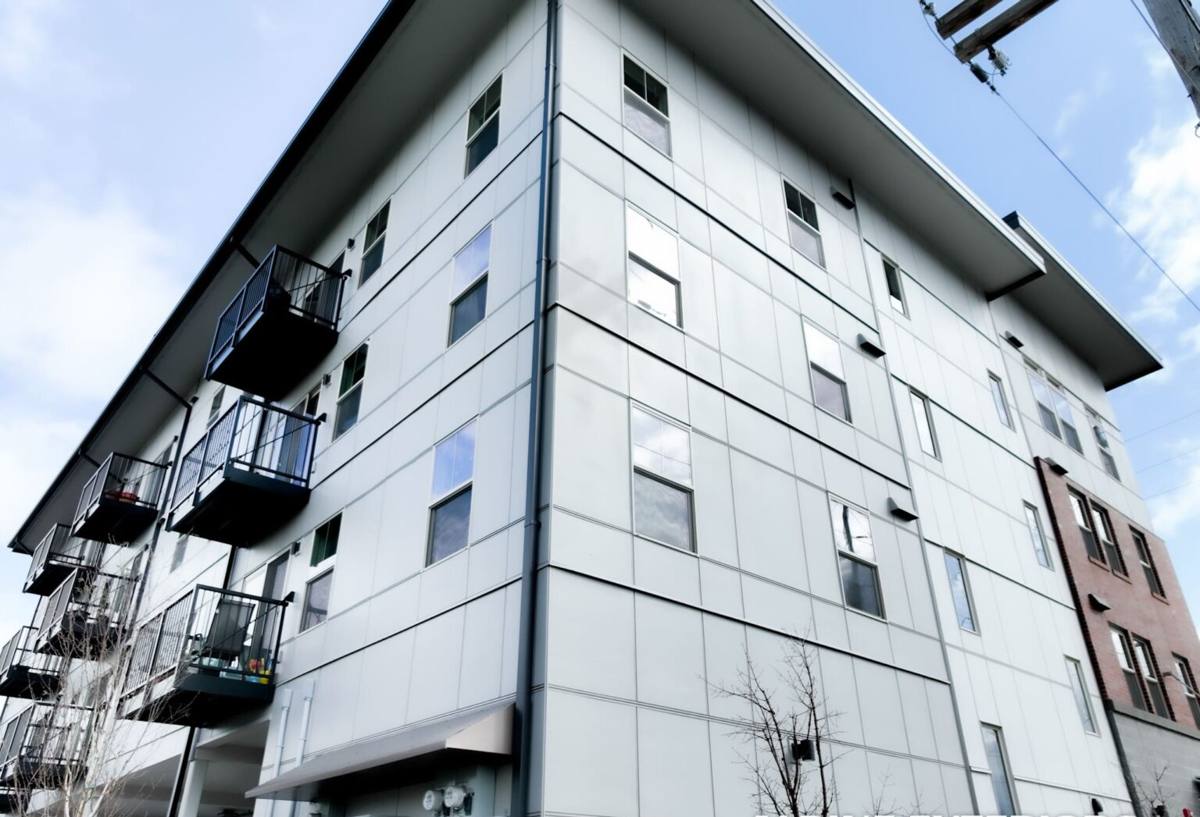
What the Local Climate Actually Does to Windows
Salt Air and Metal Hardware
Airborne salt is corrosive to unprotected or poorly coated metal. Over time it attacks cheap hinges, cranks, balance mechanisms, and screws, which is why windows in Cottonwood Beach tend to show hardware problems — stiff cranks, latches that won't seat, corroded screens — well before the glass or frame itself gives out. Marine-grade or corrosion-resistant hardware isn't an upsell here; it's a baseline requirement close to the water.
Driving Rain and Wind-Driven Water
Storms coming off the water don't just drop rain straight down — wind pushes it sideways and up under trim, sills, and poorly lapped flashing. A window opening that would stay dry in a calmer inland setting can take on water here if the flashing and sealant details aren't done correctly. This is the single biggest source of the rot and interior water stains we get called out to fix.
Moss, Shade, and Sustained Moisture
Whatcom County's long wet season, combined with the shade many Cottonwood Beach lots get from mature trees, keeps moss and algae established on north-facing walls and sills for much of the year. Moss holds moisture against wood trim and caulk lines far longer than open sun-exposed surfaces would allow, which accelerates rot at window perimeters if the surrounding materials and sealants aren't suited to staying damp.
Signs a Cottonwood Beach Home Needs New Windows
Not every window problem means full replacement, but these are the signals worth taking seriously in this climate:
- Cranks, latches, or locks that are stiff, corroded, or won't fully engage
- Visible gaps or soft, spongy wood at the sill or bottom corners of the frame
- Fogging or a permanent haze between panes, meaning the seal has failed
- Drafts you can feel at the frame edge even when the window is latched shut
- Paint or finish that's bubbling, peeling, or staining near the window perimeter
- Moss or dark staining creeping onto the sill or trim from an adjacent wall
- Noticeably higher heating bills with no other explanation
- Single-pane or original builder-grade windows original to an older home
If you're seeing two or more of these, especially anything involving soft wood or water staining, it's worth having someone look before it turns into a larger repair.
What a Correct Installation Actually Involves
Window installation is mostly about what happens before and around the window, not the window itself. A quality unit installed poorly will leak; a modest unit installed correctly will outperform it for years. Three things matter most in this climate.
Flashing and Water Management
The opening has to be flashed so that any water that reaches the wall behind the window sheds outward and downward, never inward. That means correct lapping order at the sill pan, jambs, and head flashing, integrated properly with the home's existing water-resistive barrier. This is the step that gets rushed on cut-rate jobs, and it's the one that causes the rot and interior damage we see years later.
Air Sealing and Insulation
The gap between the window frame and the rough opening needs to be sealed and insulated correctly — not stuffed with excess spray foam, which can bow frames and cause them to bind, and not left with gaps that let in drafts and moisture-laden air. Low-expansion foam or backer rod and sealant, applied in the right amount, keeps the unit performing as designed.
Fastening and Structural Attachment
Windows need to be shimmed level, plumb, and square before fastening, with corrosion-resistant fasteners driven at the manufacturer's specified points. An out-of-square installation stresses the sash, causes premature hardware wear, and can compromise the seal — problems that show up as the drafts and stuck cranks we mentioned above, sometimes within a year or two.
Choosing the Right Window for This Location
There's no single "best" window material — the right call depends on the home's exposure, budget, and how much upkeep the owner wants to take on. Here's how the common options compare for a coastal Whatcom County property like those in Cottonwood Beach.
| Frame Material | Salt Air / Corrosion Resistance | Maintenance | Moisture Behavior | General Cost Position |
|---|---|---|---|---|
| Vinyl | Good — frame itself won't corrode; hardware quality still matters | Low — no painting, occasional cleaning | Won't rot; can expand/contract with big temperature swings | Most affordable |
| Fiberglass | Very good — dimensionally stable, resists salt exposure well | Low | Excellent — won't rot or corrode | Mid to upper range |
| Aluminum | Fair — needs a quality marine-grade finish to resist pitting near the water | Moderate — finish needs monitoring over time | Won't rot; can conduct cold without a thermal break | Mid range |
| Wood / Wood-clad | Poor to fair unprotected — attractive but demanding in this exposure | High — regular finish maintenance is non-negotiable near salt air | Vulnerable to rot if finish or seals are neglected | Upper range |
For most Cottonwood Beach homes we work on, vinyl and fiberglass are the practical choices — both hold up to salt air and sustained moisture with minimal upkeep. Wood-clad windows can still be the right call for certain architectural styles, but we're honest with owners up front that they come with a real, ongoing maintenance commitment this close to the water — not a defect in the product, just a trade-off worth knowing before you commit to it.
Our Installation Process
1. On-Site Assessment and Measurement
We start at the house, not on paper. We look at each opening's exposure, check for existing water damage or soft framing, and take precise measurements — window sizing off a floor plan or old paperwork is how mismatched units happen.
2. Removal and Opening Prep
Old windows come out carefully to avoid damaging siding or trim we're not replacing. Once the opening is exposed, we check the framing and sheathing underneath. This is often the first time hidden rot from a long-failed seal becomes visible, and we'll flag it and discuss options before moving forward rather than sealing a problem behind a new window.
3. Flashing, Setting, and Sealing
We flash the opening, set the window level, plumb, and square, fasten it per manufacturer spec, then air-seal and weatherproof around the perimeter. This is the stage that determines whether the installation holds up through its first few winters of driving rain.
4. Interior and Exterior Finish
Trim, sealant lines, and any siding disturbed during removal get finished to match the surrounding wall. We use exterior sealants suited to a marine climate, not a generic caulk that will crack and let moisture back in within a couple of seasons.
5. Final Walkthrough
Every new window gets operated, checked for square operation and a tight seal, and reviewed with you before we consider the job finished. We'll also point out anything we noticed nearby — trim, siding, or roofline details — that's worth keeping an eye on, whether or not it's something we're doing that visit.
Mistakes We See From Rushed or Out-of-Town Installs
A lot of the repair calls we get in this area trace back to a handful of recurring shortcuts:
- Sealant used as the only water barrier, with no proper flashing underneath
- Foam or caulk applied over old rot instead of removing and repairing it first
- Standard-grade hardware installed on a home directly exposed to salt air
- Windows shimmed out of square, causing early hardware wear and drafts
- Reused old trim or flashing that no longer seals properly around a new unit
None of these show up on the day of installation — they show up eighteen months later as a draft, a stain, or a window that won't latch. Correct installation costs more up front in labor time than these shortcuts, but it's the difference between a window that lasts and one that becomes a repair call.
After Installation: Keeping Windows Performing in This Climate
New windows still need a small amount of seasonal attention in a coastal, moss-prone area like Cottonwood Beach:
| Task | Why It Matters Here | Rough Frequency |
|---|---|---|
| Rinse frames and hardware with fresh water | Reduces salt residue buildup on hardware and finishes | A few times a year, more if exposure is direct |
| Clear moss and debris from sills and tracks | Prevents sustained moisture contact that leads to rot and stuck tracks | Seasonally, especially fall through spring |
| Check and clean weep holes | Keeps water draining out of the frame instead of pooling inside it | Twice a year |
| Inspect exterior sealant lines | Catches cracked or failing caulk before water gets behind it | Annually |
| Lubricate hardware per manufacturer guidance | Keeps cranks and locks working smoothly despite salt exposure | Annually |
Why a Crew That Already Works Cottonwood Beach Matters
Window installation in this specific location isn't the same job as installation twenty miles inland. A crew that regularly works Birch Bay and Cottonwood Beach knows the exposure patterns on this stretch of Whatcom County coastline, has already worked through the flashing and sealant choices that hold up to salt air and moss season, and isn't guessing at how a given opening will behave through its first winter storm. That familiarity shows up in fewer callbacks and fewer surprises once the siding is back in place around the new window.
It also means someone who's easy to reach if a question comes up after the job is done — not a crew that installed once and moved on to the next region.
Get a Straightforward Estimate
If your Cottonwood Beach home has windows showing their age — stiff hardware, drafts, fogged glass, or soft trim — we're glad to take a look and give you an honest read on what's needed, with no pressure either way. Use the form below to request a free estimate.