 Birch Bay Siding
 Siding Replacement Built for Ferndale's Climate
Ferndale sits close enough to Birch Bay and the Strait of Georgia that homes here deal with a version of coastal weather that inland Whatcom County doesn't see the same way. Salt-laden air drifts in off the water, driving rain comes sideways during winter storms, and the shaded, damp stretches of the year give moss and algae months to take hold on north-facing walls and anything under tree cover. Siding that isn't built or installed for that combination fails faster here than the manufacturer's brochure suggests. That's the starting point for every Ferndale siding replacement we bid: what does this specific wall, this specific exposure, need to actually hold up.
We're a Birch Bay-based crew that works Ferndale regularly, not a company that shows up once and moves on. That matters more than it sounds like — knowing which streets sit in fog pockets, which lots get the worst of the westerly wind, and which older homes were sided with materials that are now due for replacement changes how we scope a job before we even pull the first course of siding off.
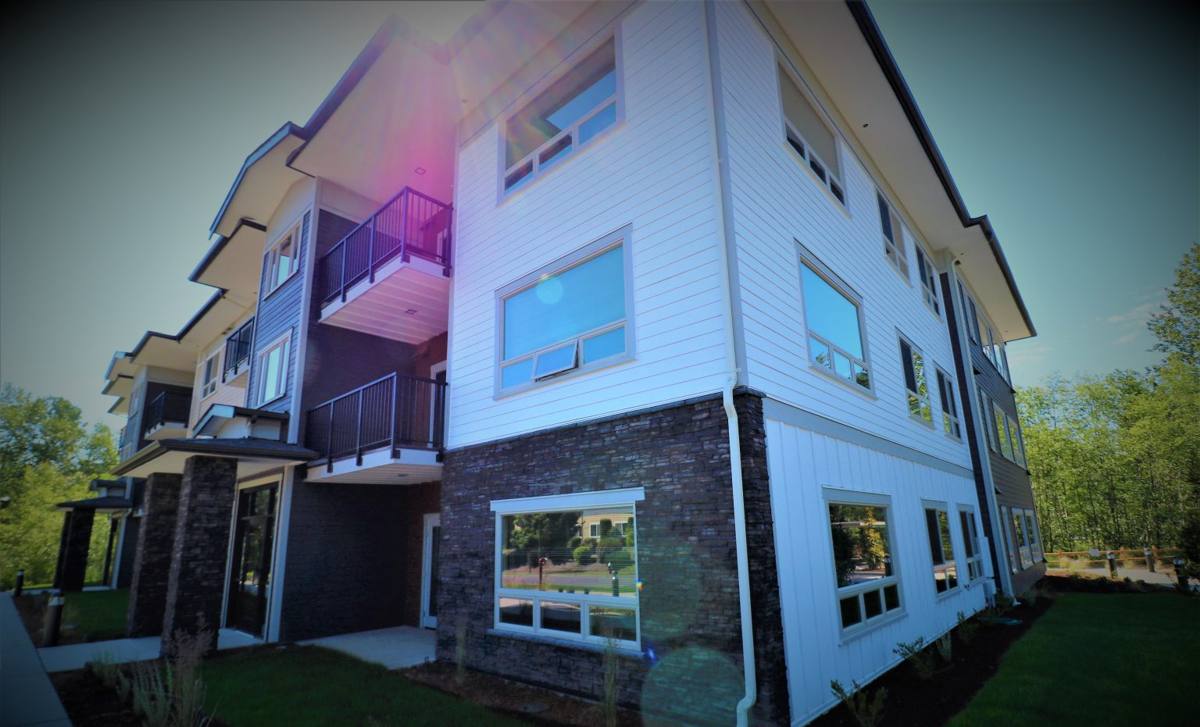
What Ferndale Homes Are Up Against
Salt Air and Metal Fasteners
Salt air accelerates corrosion on any fastener, flashing, or trim piece that isn't rated for coastal exposure. Over years, corroding fasteners can streak siding, loosen panels, and create small gaps where moisture works its way behind the cladding. It's a slow problem, which is exactly why it gets missed — nobody notices until the streaking or the loose panel shows up.
Driving Rain and Wind-Driven Moisture
Wind off the water doesn't just bring rain straight down — it pushes it sideways into siding laps, window trim, and corner boards. A siding system that relies on face-sealing rather than proper drainage behind the cladding will eventually let water in, especially at penetrations like hose bibs, light fixtures, and vents that weren't flashed correctly the first time.
Moss, Algae, and Extended Damp Season
Whatcom County's damp season runs long, and Ferndale's tree cover and shaded lots keep some wall sections wet well after the rest of the property has dried out. Moss and algae growth on siding isn't just cosmetic — sustained moisture against a wall surface is what eventually finds its way into seams, fastener holes, and butt joints if the material and the installation aren't built to shed water fast.
What a Correct Siding Replacement Actually Involves
Replacing siding is not a cosmetic swap. Done right, it's a chance to fix what's happening behind the old cladding before it becomes a bigger problem.
- Full removal of the old siding, not just a re-side over existing material
- Inspection of the sheathing underneath for rot, soft spots, or prior water damage
- Repair or replacement of any compromised sheathing before new siding goes up
- Installation of a weather-resistive barrier detailed to drain, not just repel water
- Correct flashing at every window, door, and penetration — the single most common failure point on coastal homes
- Proper fastener spacing, type, and depth per manufacturer specification, not just "close enough"
- Rain-screen or drainage gap detailing appropriate to the exposure of each wall
- Trim, corner, and butt joint sealing done to shed wind-driven rain, not just block it head-on
Skipping any one of these steps is how a siding job looks good for a year or two and then starts showing problems — usually right around the areas that get hit hardest by wind and rain.
Why We Only Install James Hardie Fiber Cement
We don't install vinyl, LP SmartSide, Cemplank, Allura, primed spruce, or cedar. That's not a marketing line — it's a standard we hold to because of what we've seen coastal Whatcom County weather do to siding over time. James Hardie fiber cement is what we put on homes instead, for a few concrete reasons:
- Non-combustible material — fiber cement doesn't burn, which matters as much for insurance and resale as it does for safety
- Engineered for moisture exposure — Hardie's HZ product lines are built and rated for climate zones, including the wetter, damper Pacific Northwest conditions Ferndale sits in
- ColorPlus factory finish — a baked-on finish that holds color and resists the fading and chalking that field-applied paint struggles with under sustained damp and salt exposure
- Doesn't rot or absorb water the way wood-based products can — reducing the risk that comes with driving rain finding its way into seams
- Strong transferable warranty — backed by the manufacturer and worth something if you sell the home before the siding's service life is up
That doesn't mean every other product is without merit. Vinyl is inexpensive and easy to install; engineered wood products can look good and go up fast; cedar has real aesthetic appeal for the right homeowner. But each comes with a trade-off — vinyl's flexibility and seams struggle under sustained wind-driven rain, engineered wood siding depends heavily on getting every cut sealed and every joint protected to avoid moisture intake, and cedar demands an ongoing maintenance commitment that most homeowners underestimate. On a coastal-influenced property like the ones we work on in Ferndale, those trade-offs show up faster than they would somewhere drier and calmer. Fiber cement, installed correctly, removes most of that risk from the equation.
Siding Material Comparison for Ferndale's Climate
| Material | Moisture Behavior | Maintenance | Coastal Fit |
|---|---|---|---|
| James Hardie Fiber Cement | Doesn't rot; engineered for damp climate zones | Low — factory finish holds up for years | Strong — this is what we install |
| Vinyl | Sheds surface water but seams and panels can flex/loosen under driving rain and wind | Low, but limited repair options if damaged | Moderate — wind and salt exposure are real limitations |
| LP SmartSide / Engineered Wood | Wood-based core; performance depends heavily on sealed cuts and joints | Moderate — field-sealing must be maintained | Requires careful detailing on exposed walls |
| Cedar | Natural material; absorbs and releases moisture, prone to movement | High — regular refinishing and sealing needed | Weaker without disciplined upkeep |
Our Process for a Ferndale Siding Replacement
1. On-Site Assessment
We walk the exterior wall by wall, noting exposure direction, existing moisture damage, moss and algae buildup, and any areas where prior flashing or trim work looks questionable.
2. Straightforward Written Estimate
You get a clear scope and price before anything starts — no vague allowances, no pressure to decide on the spot.
3. Removal and Sheathing Inspection
Old siding comes off, and we inspect what's underneath before covering anything back up. If there's hidden rot or water damage, you'll know about it before new siding goes on, not after.
4. Weather Barrier and Flashing Detail
This is where most siding failures actually start, so it's where we spend the most care — windows, doors, and every penetration get flashed to shed water, not just seal it.
5. James Hardie Installation to Manufacturer Spec
Fastener type, spacing, gapping, and caulking are all done to Hardie's published installation requirements — the details that actually determine whether the warranty holds and the siding performs.
6. Final Walkthrough
We go over the finished work with you directly so you know what was done and why.
What to Ask Any Contractor Before You Hire Them
- Do you remove existing siding fully, or install over it?
- Will you inspect and repair sheathing before new siding goes up?
- How do you flash windows, doors, and penetrations specifically?
- Are you a certified or trained installer for the siding brand you're proposing?
- What does the manufacturer warranty actually cover, and is it transferable?
- Have you worked in Ferndale or the surrounding coastal areas before?
A contractor who can answer these clearly, without dodging, is one worth trusting with your home.
Why Local Experience in Ferndale Matters
A crew that only works inland jobs doesn't necessarily think about salt exposure, wind direction off the water, or the shaded damp pockets that keep certain walls wet longer than others. We're based in Birch Bay and work Ferndale as part of our regular service area, which means we've seen how homes here actually age under this climate — not just how a spec sheet says a product should perform. That local pattern recognition shapes how we scope flashing, drainage, and fastening on every job, before a single piece of siding goes up.
If your Ferndale home's siding is aging, showing moss buildup, streaking, or loose panels, we're happy to take a look and give you a straightforward, no-pressure estimate — just fill out the form below to get started.