 Birch Bay Siding
 Siding Built for Custer, Not Just Installed There
Custer sits in the part of Whatcom County where three things converge on every exterior wall: salt-laden air moving inland off the water, rain that gets pushed sideways by wind more often than it falls straight down, and a growing season for moss and mildew that runs across most of the calendar instead of just a few wet months. None of those three is unusual on its own. Together, over the ten, fifteen, twenty years a siding job is supposed to last, they're a harder test than most siding products and most installation crews are set up to pass. This page is about what it actually takes to get James Hardie fiber cement siding installed correctly on a Custer home, and why the installation matters as much as the material.
We only install James Hardie. That's a separate decision covered elsewhere on this site, but it's worth restating briefly here: we standardized on one fiber cement system because we wanted to fully stand behind every job, not offer a menu of products with different long-term outcomes. This page assumes that choice and focuses on the part that actually determines whether a Hardie job performs for twenty years or needs attention in five: how it's installed.
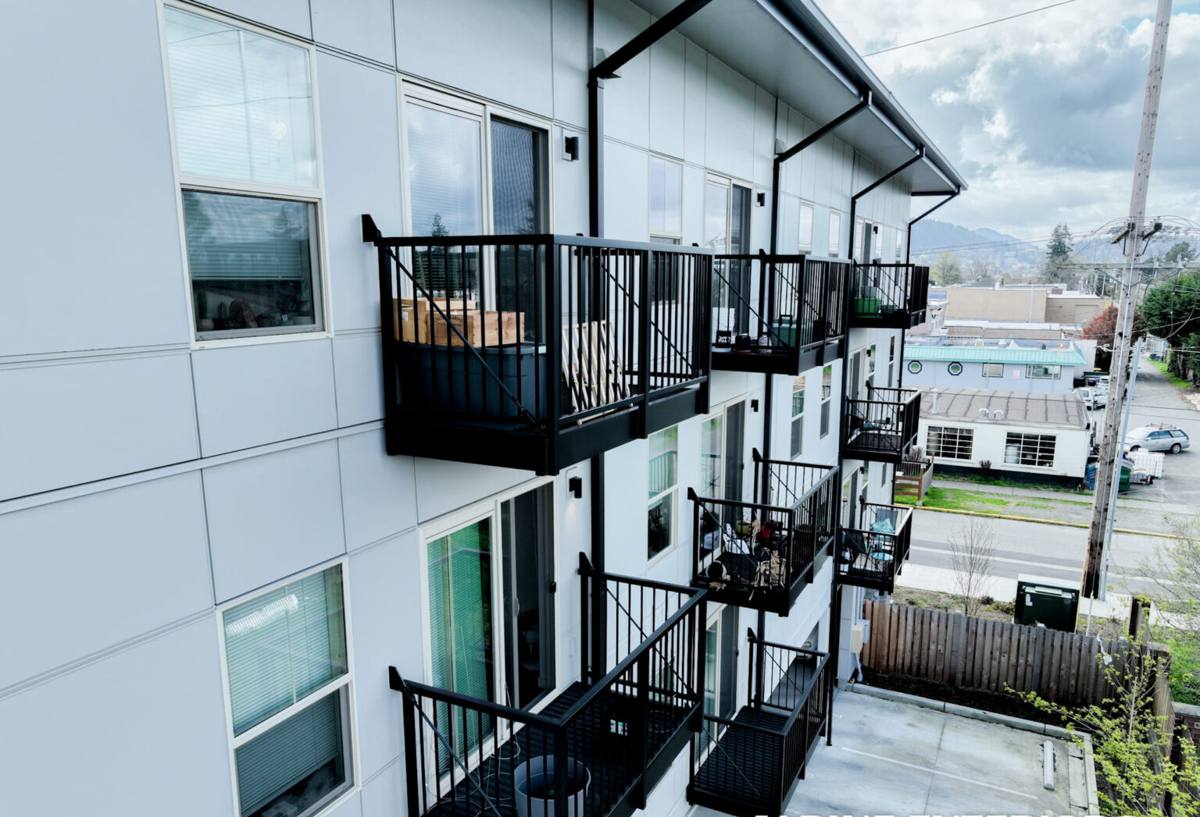
What Custer's Climate Demands From an Exterior Wall
Before talking about the product or the process, it's worth being specific about what the siding is actually up against here, because it shapes every decision that follows.
Salt Air
Custer's proximity to the water means salt exposure is a routine condition on most properties, not something limited to homes right on the shoreline. Salt accelerates the breakdown of factory finishes and speeds up corrosion on fasteners, flashing, and trim hardware. A finish or fastener spec that holds up fine in a drier inland market doesn't necessarily deliver the same service life here.
Wind-Driven Rain
Rain pushed sideways by wind finds its way into lap joints, under trim, and into any seam where the water management detailing isn't right. That's a much tougher test for caulked joints and any material or installation method that depends on a perfectly intact surface than a simple annual rainfall total would suggest.
A Long Moss Season
Mild temperatures and near-constant moisture add up to active moss and mildew growth for most of the year on shaded, tree-lined lots, which describes a lot of Custer properties. Moss and organic growth on a siding surface trap moisture against the wall behind it, and that trapped moisture is where a lot of long-term siding problems actually start, regardless of what the siding itself is made of.
The takeaway is that Custer siding has to manage water at the seams, resist a coastal atmosphere at the surface, and shed organic growth reliably. James Hardie's HZ5 product line is engineered specifically for this kind of climate zone, but the product only delivers on that engineering if the installation respects the same conditions it was designed for.
What a Correct James Hardie Installation Actually Involves
James Hardie publishes detailed installation requirements, and the difference between a job that lasts and one that causes problems usually comes down to whether those requirements were actually followed on site, not whether the product itself was the right choice.
Clearance and Water Management
Hardie siding needs proper clearance from grade, roof lines, decks, and other horizontal surfaces so water has somewhere to go instead of sitting against the bottom edge of a board. Flashing has to be installed at every window, door, and horizontal transition, and it has to be sequenced correctly with the water-resistive barrier behind the siding, not just caulked over as an afterthought.
Fastening
Hardie specifies fastener type, spacing, and placement for a reason: incorrect fastening is one of the more common causes of early problems, from visible fastener heads to boards that don't sit flat against the wall. In a coastal climate, corrosion-resistant fasteners aren't optional.
Joints and Caulking
Butt joints, corners, and penetrations all need to be treated as places where wind-driven rain will actively try to get behind the siding, not just cosmetic seams. That means correct gapping, backer rod where called for, and a quality sealant applied the way the manufacturer specifies, not just wherever a joint looks like it needs it.
Painting and Finish
ColorPlus-finished boards come factory-coated and don't need field painting, which removes one common source of premature failure: a job-site paint job that doesn't hold up as long as the substrate underneath it. Cut edges and any field-primed trim still need to be properly sealed and finished according to spec.
| Installation Detail | Why It Matters in Custer |
|---|---|
| Grade and horizontal clearance | Prevents wicking and standing water against board edges during heavy, sustained rain |
| Flashing sequencing | Directs wind-driven rain out and away instead of behind the water-resistive barrier |
| Corrosion-resistant fasteners | Salt air accelerates corrosion on standard hardware faster than in inland markets |
| Joint gapping and sealant | Seams are the most likely entry point for sideways-driven rain |
| Factory ColorPlus finish | Removes reliance on a field paint job to hold up against sun, salt, and moisture |
How Our Process Works
The process itself is what turns a good product into a good outcome, so we keep it consistent from house to house.
1. On-Site Assessment
We look at the existing siding, the condition of the sheathing and water-resistive barrier underneath where accessible, roofline and grade clearances, and any areas showing signs of past moisture problems. This is also when we talk through board profile, exposure, and color options against the specific exposure of the house.
2. Tear-Off and Substrate Check
Old siding comes off, and we check the sheathing and barrier underneath for rot, soft spots, or prior water damage before anything new goes on. Covering a compromised substrate with new siding just hides the problem; we address what's underneath first.
3. Water-Resistive Barrier and Flashing
We install or verify the water-resistive barrier and flash every window, door, and horizontal transition before siding goes up, following manufacturer sequencing rather than treating flashing as a finishing touch.
4. Siding Installation to Spec
Boards, panels, and trim go on following James Hardie's fastening, clearance, and joint specifications for this climate zone, not a generalized approach borrowed from drier markets.
5. Final Inspection and Walkthrough
We walk the finished job with the homeowner, check clearances and seams, and go over basic care going forward.
What Drives the Cost of a Custer Siding Job
Every house is different, but the same handful of factors tend to move the price up or down. We give a specific number after seeing the house, not before, but this is the honest breakdown of what moves it.
| Factor | How It Affects Cost |
|---|---|
| Board profile vs. panel siding | Lap board, shingle-style panels, and board-and-batten each have different material and labor requirements |
| Home size and number of stories | More wall area and taller walls both add material and labor, and staging gets more involved on multi-story homes |
| Condition of the substrate | Rot or moisture damage found during tear-off adds repair work before new siding can go on |
| Trim and detail complexity | Corners, window and door surrounds, and architectural detailing all add labor time |
| Color and finish selection | Standard ColorPlus colors vs. premium selections can shift material cost |
Maintenance Once It's Installed
One of the practical advantages of a correctly installed Hardie system in this climate is how little ongoing maintenance it asks for compared to organic or field-painted alternatives. That said, "low-maintenance" isn't "no-maintenance."
- Rinse the exterior periodically to keep salt residue and organic buildup from accumulating, especially on shaded or north-facing walls
- Watch shaded, tree-covered sections of the house for early moss growth and address it before it spreads
- Keep gutters and downspouts clear so water isn't overflowing directly onto siding below
- Check caulked joints and trim periodically for cracking or separation, particularly after a hard winter
- Trim back vegetation and landscaping that keeps a wall section shaded and damp longer than the rest of the house
Why a Crew That Already Works Custer Matters
A crew that installs siding across this part of Whatcom County regularly sees how salt air, wind-driven rain, and moss actually behave on real Custer houses over a full year, not just how a product performs on a manufacturer's spec sheet. That familiarity shows up in small, practical decisions on install day: which walls hold moisture longest, where extra flashing attention is worth the time, and which details are worth getting right the first time so a homeowner isn't dealing with a callback after the next stretch of hard weather off the water. It also means we're not learning this climate on someone's house for the first time.
Questions to Ask Before Hiring a Siding Contractor in Custer
- Are they licensed and insured to do exterior work in Washington State?
- Do they install to James Hardie's published specifications, and can they explain what that involves in plain terms?
- How do they handle flashing and water management at windows, doors, and horizontal transitions?
- What happens if they find rot or moisture damage under the old siding once it's off?
- Do they have experience working in coastal Whatcom County conditions specifically, not just siding installation in general?
If your Custer home needs new siding, or you're not sure whether your current siding is holding up the way it should against this area's salt air, rain, and moss, we're glad to take a look. Reach out using the form below for a free, no-pressure estimate.