 Birch Bay Siding
 Custom Windows Built for Sumas Homes
Sumas sits at the edge of Whatcom County, close enough to the water and the foothills that its homes take a specific kind of weather beating year-round. Wind-driven rain off the Strait, salt-laden air working inland, and a moss season that can run eight months or longer all put steady pressure on window frames, sills, and the seals around them. Windows here don't fail because homeowners neglect them — they fail because they were never matched to this climate in the first place. Custom windows, sized and detailed for the actual opening and the actual weather, are how you avoid repeating that mistake.
We install custom windows in Sumas as part of our regular service area out of Birch Bay, and we size every job around the realities of this stretch of Whatcom County rather than a generic regional average.
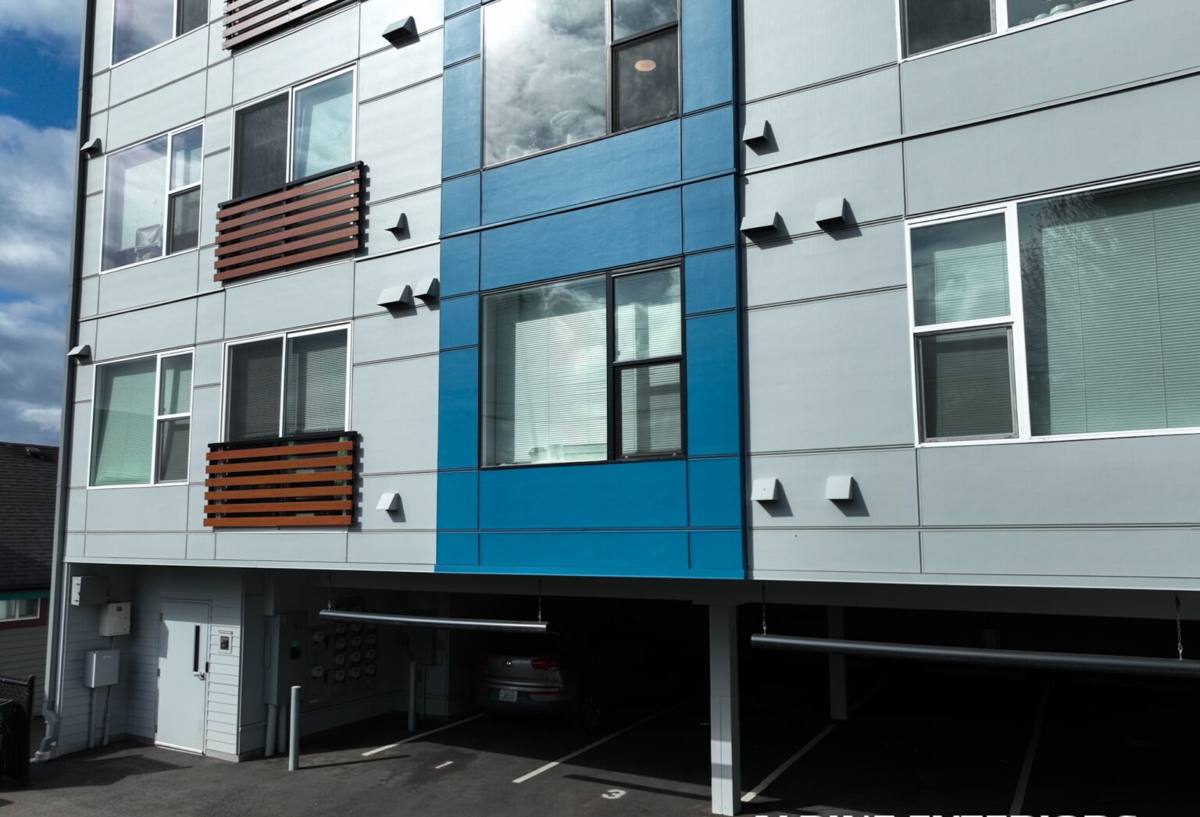
What "Custom" Actually Means Here
Custom doesn't mean expensive or exotic. It means the window is built to the exact rough opening, wall depth, and exposure of your house instead of forcing a stock size to fit. On older Sumas homes especially — farmhouses, remodeled additions, and houses that have settled a bit over the decades — openings are rarely perfectly square or a standard dimension. A custom-sized unit means:
- No shimming gaps that become air and water leaks later
- Frame depth matched to your wall assembly, not a generic 2x4 or 2x6 spec
- Flashing and sill details built for the actual slope and drainage path of the opening
- Glass packages chosen for the specific sun exposure and wind loading of that wall
- Trim and casing profiles that match the rest of the house instead of a mismatched retrofit look
For a coastal-adjacent, high-moisture county like this one, that precision is not a luxury upgrade. It's the difference between a window that lasts two decades and one that starts showing rot or seal failure in five years.
Why Stock Sizes Fall Short Here
A stock window forces the installer to pack the gap between frame and rough opening with extra shim material and caulk. Every one of those gaps is a place where wind-driven rain can find its way behind the cladding. In a dry climate that's a minor risk. In Whatcom County, where driving rain off the water is a normal winter event and not a rare storm, an oversized gap sealed with caulk alone is a maintenance problem waiting to happen.
The Climate Problem, Specifically
Three things do most of the damage to windows in this part of Washington, and each one calls for a different response in how the window is built and installed.
Salt Air
Proximity to the Strait of Georgia and Puget Sound means airborne salt reaches inland further than most homeowners assume, especially on west- and north-facing walls that catch the prevailing weather. Salt accelerates corrosion on unprotected hardware, fasteners, and lower-grade aluminum components. It also breaks down cheap sealants faster than inland climates would predict. We spec corrosion-resistant hardware and fasteners on every install here, not just for waterfront properties.
Driving Rain
Rain that falls straight down is easy to shed. Rain that's being pushed sideways by wind finds every gap, lap, and seam a window has. Whatcom County gets a lot of the second kind, especially from fall through spring. That means flashing details — the sill pan, the head flashing, the way house wrap laps over and under the window's nailing fin — matter more here than the window unit itself. A premium window with sloppy flashing will leak. A modest window with correct flashing usually won't.
Moss and Prolonged Damp
Long stretches of overcast, damp weather keep wood surfaces wet longer than a drier climate would. That's what feeds moss and mildew on siding, trim, and window sills, and it's also what slowly rots any wood component that isn't properly sealed or that's trapping moisture instead of shedding it. Windows with poor drainage at the sill, or wood trim without a durable finish, are the first thing to show it — usually starting as soft spots or dark staining at the bottom corners.
Signs Your Sumas Home Needs Window Attention
| What You Notice | Likely Cause | Urgency |
|---|---|---|
| Soft or discolored wood at the sill corners | Trapped moisture, failing sealant, or poor drainage path | Address soon — rot spreads |
| Fogging or moisture between glass panes | Failed insulated glass seal | Replace the sash or unit |
| Drafts or cold spots near the frame | Failed weatherstripping or gaps in the original install | Inspect within a season |
| Difficulty opening, closing, or locking | Frame movement, swelling, or hardware wear | Inspect — often fixable without full replacement |
| Green or black growth on the sill or lower frame | Prolonged dampness, poor sun exposure, or drainage failure | Clean and monitor; address drainage cause |
| Visible gap or daylight around the frame | Original install shrinkage or settling | Reseal or reflash promptly |
How We Approach a Custom Window Job in Sumas
1. On-Site Assessment
We measure every opening individually rather than assuming uniformity across a house. We also look at what's happening around each window — roofline runoff, wall exposure, existing siding condition, and any signs of past moisture intrusion. That assessment shapes the flashing plan as much as it shapes the window order.
2. Product Selection
We walk through frame material, glass package, and hardware options based on that specific wall's exposure, not a one-size answer for the whole house. A window on the weather-facing side of the house may warrant a different glass or hardware spec than one tucked under an eave on the leeward side.
3. Custom Build
Units are built to the exact rough opening measurements taken on site, including any out-of-square adjustments common in older framing.
4. Removal and Prep
We remove the old unit carefully, inspect the framing and sheathing underneath for hidden rot or moisture damage, and address anything found before the new window goes in. Installing a new window over a compromised opening just hides the problem — it doesn't fix it.
5. Flashing and Weatherproofing
This is the step that matters most in this climate. Correct sill pan flashing, proper house wrap integration, and sealed nailing fins are what actually keep driving rain out over the long term.
6. Install, Seal, and Trim
The window is set, shimmed correctly for a square and plumb fit, insulated around the frame, sealed, and finished with trim that matches the home.
7. Final Walkthrough
We check operation, seal integrity, and finish quality with you before calling the job done.
Choosing Materials for This Climate
There's no single "best" window material — the right choice depends on exposure, budget, and how much upkeep you want to take on.
| Frame Material | Strengths in This Climate | Trade-Offs |
|---|---|---|
| Vinyl | Won't rot, low maintenance, resists moisture well | Fewer custom color/finish options; can flex on very large units |
| Fiberglass | Very stable in temperature swings, strong, low maintenance | Higher upfront cost |
| Wood (clad exterior) | Classic look, good for period-correct remodels | Exterior cladding needs to be well-detailed to keep wood dry long-term |
| Aluminum | Strong, slim sightlines | Poor insulator unless thermally broken; needs corrosion-resistant hardware near salt air |
For most Sumas homes we lean toward vinyl or fiberglass on weather-exposed walls simply because they shrug off the damp without ongoing upkeep. Wood-clad units still make sense on homes where matching an existing architectural style matters more than minimizing maintenance — as long as the cladding and flashing details are done right.
Glass and Energy Performance
Whatcom County's mix of cool, wet winters and mild summers means the biggest energy loss in most older homes is through single-pane or early double-pane windows with degraded seals, not through the walls. Double-pane, low-E glass with an argon fill is the standard baseline we recommend for most Sumas homes today. On rooms with heavy west or south exposure, a low-E coating tuned to reduce solar heat gain can also cut down on summer overheating without darkening the room noticeably.
Before You Hire Anyone: A Practical Checklist
- Ask whether the quote includes flashing and moisture-barrier work, not just the window unit
- Ask what happens if rot or damage is found in the framing once the old window is out
- Get frame material, glass package, and hardware spelled out in writing, not just "premium windows"
- Confirm who pulls any required permit and who is responsible for inspection sign-off
- Ask about the manufacturer's warranty versus the installer's workmanship warranty — they're different things
- Ask how long the crew has worked in this specific area and whether they can speak to its weather issues directly
Why Local Experience in Sumas Matters
A crew that only occasionally works this corner of Whatcom County will often default to generic installation practices that work fine in drier regions but fall short here. A crew that regularly works Sumas and the surrounding Birch Bay area already knows which walls typically take the worst weather, how moss and damp tend to show up first, and what flashing details actually hold up over years of driving rain rather than just passing a same-day inspection. That local pattern recognition is hard to fake and it's usually the difference between a window install that's still tight in fifteen years and one that needs rework in five.
Get a Free, No-Pressure Estimate
If you're noticing drafts, soft spots at the sill, fogged glass, or you're simply planning ahead for a remodel, we're glad to come take a look. We'll walk the openings with you, talk through material and glass options suited to your home's exposure, and give you a straightforward estimate — no pressure, no hard sell. Use the form below to request your free estimate for custom window work in Sumas.