 Birch Bay Siding
 Roofing Built for Sandy Point's Waterfront Conditions
Sandy Point sits right up against the water, and that location shapes everything about how a roof ages here. Homes in this part of Birch Bay deal with a combination most inland Whatcom County properties don't see in the same intensity: near-constant salt-laden air, wind-driven rain that hits roof edges and penetrations sideways instead of straight down, and long stretches of shade and dampness that turn a roof into a moss farm if it isn't detailed correctly. A new roof installation here isn't just about swapping old material for new — it's about choosing a system and installation method that accounts for that specific exposure.
We work on roofs throughout Sandy Point and the rest of Birch Bay regularly, so we're not guessing at what holds up. We know which details fail first in this environment and we build those out of the job from day one instead of waiting for a callback in three years.
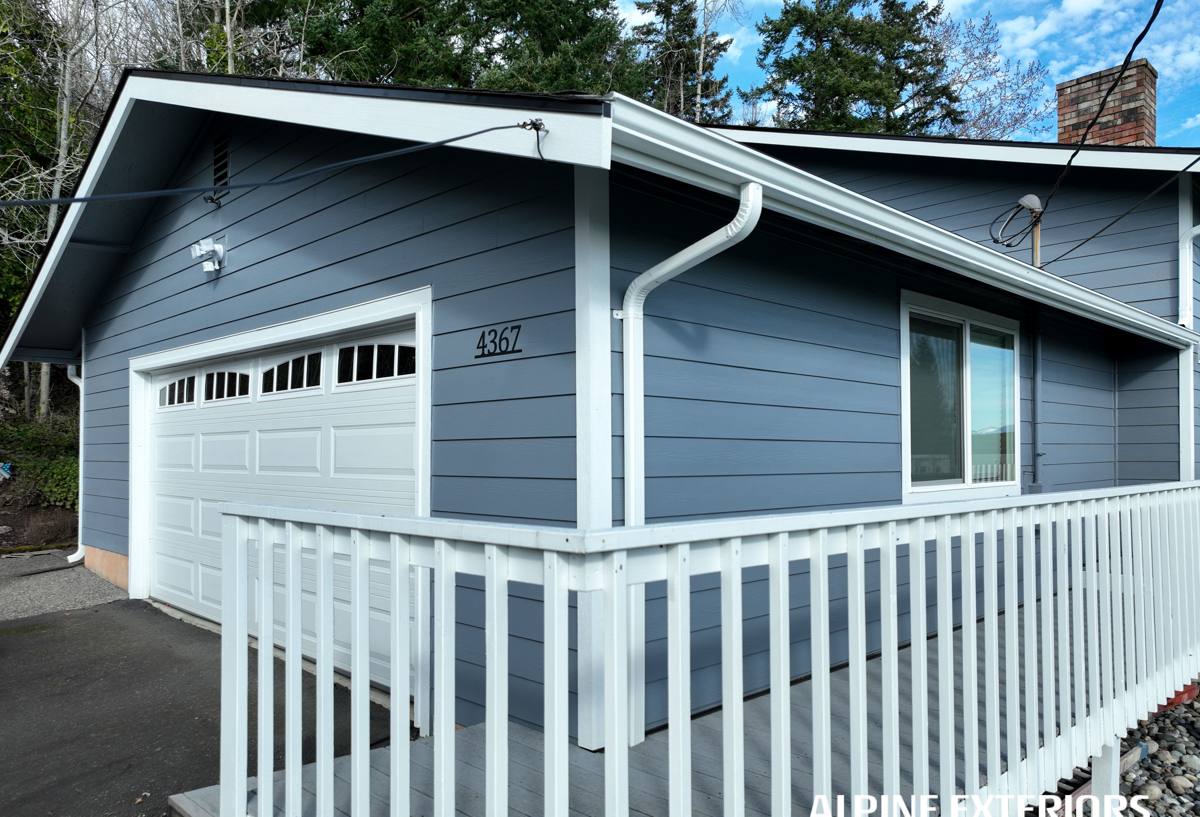
What Salt Air, Driving Rain, and Moss Actually Do to a Roof
Salt Air
Airborne salt accelerates corrosion on anything metal — fasteners, flashing, gutter hangers, vent caps. On a standard inland roof, cheap galvanized fasteners might last the life of the roofing material. On a Sandy Point roof, they can start rusting and weeping stains through shingles well before the roof itself is due for replacement. Salt exposure is also why we're careful about mixing metals; certain metal-on-metal combinations corrode faster near saltwater than they would elsewhere.
Driving Rain
Wind off the water doesn't just drop rain straight down — it pushes it sideways and up under laps, edges, and anything with a seam. That means underlayment quality, fastening patterns, and how flashing is lapped matter more here than they would on a sheltered inland lot. A roof that would be fine in a calm neighborhood a few miles inland can leak at the exact same details in Sandy Point simply because of wind direction and exposure.
Moss and Moisture
Shaded, moisture-holding roof sections in this climate grow moss fast, and moss is not cosmetic — it holds water against the roof surface, works into shingle laps, and lifts material over time. North-facing slopes, valleys, and anywhere tree cover keeps a roof damp longer are the spots we watch closest.
Signs a Sandy Point Roof Needs Replacing, Not Patching
- Granule loss showing as bald or shiny patches on asphalt shingles, especially on wind-exposed slopes
- Persistent moss growth that comes back within a season or two of cleaning
- Rust streaking below flashing, vent caps, or fasteners
- Soft spots or sagging in the roof deck when walked or pressed
- Recurring leaks at the same spot despite prior repairs
- Curling, cupping, or cracked shingles, particularly on the side facing prevailing wind and rain
- Visible daylight or water staining in the attic along rafters or sheathing
- A roof nearing or past the typical service life for its material in a marine exposure, which runs shorter here than inland
Any one of these on its own might be repairable. Several together, especially on an older roof, usually means the underlying deck and underlayment have been absorbing moisture for a while and a full replacement is the more honest recommendation.
What a Correct New Roof Installation Involves Here
Tear-Off and Deck Inspection
We remove the old roofing down to the deck rather than layering over it. This lets us actually see the sheathing — soft, delaminated, or water-stained deck sections get replaced, not covered up. In a damp coastal climate, hidden deck rot is one of the most common things that gets found once a roof is opened up.
Underlayment
Given the amount of wind-driven rain Sandy Point gets, we lean toward synthetic or ice-and-water-shield-grade underlayment in vulnerable areas — eaves, valleys, and around penetrations — rather than the minimum required elsewhere. This is a case where a slightly higher upfront cost buys real protection against the specific way this location gets rained on.
Flashing and Fasteners
Flashing at chimneys, walls, skylights, and valleys gets properly lapped and sealed, and we pay attention to metal compatibility so we're not setting up a corrosion problem near saltwater. Fasteners are selected for corrosion resistance rather than defaulting to whatever is cheapest, since fastener failure is one of the earliest problems we see on older salt-exposed roofs.
Ventilation
Proper intake and exhaust ventilation keeps the attic dry and temperature-regulated, which matters for shingle life and moisture control in a climate that's damp for much of the year. A new roof is the right time to correct ventilation that was inadequate on the old system.
Final Material Layer
Whether it's asphalt shingle, metal, or another system, the final layer is installed to the manufacturer's wind and exposure specifications — not a generic inland install pattern. Waterfront exposure often calls for tighter fastening patterns and, in some cases, upgraded wind-rated products.
Comparing Roofing Materials for a Waterfront Sandy Point Home
| Material | How It Handles This Climate | Maintenance Considerations |
|---|---|---|
| Architectural asphalt shingle | Solid performance when installed with upgraded underlayment and corrosion-resistant fasteners; wide range of wind ratings available | Periodic moss and debris removal; inspect flashing every few years |
| Metal roofing | Sheds wind-driven rain very well and handles moss better on steep slopes; requires careful fastener and coating selection near saltwater | Watch for coating wear at cut edges and fastener heads over time |
| Standard 3-tab asphalt | Lower wind rating and shorter service life in high-exposure coastal settings | More frequent inspection; shorter expected lifespan here than inland |
We'll walk through the honest trade-offs for your specific roof — slope, exposure to wind off the water, tree cover, and budget — rather than pushing one product as a default.
Our Installation Process
- On-site assessment — we look at the current roof, deck condition where accessible, ventilation, and the specific wind/moisture exposure of your lot
- Written proposal — material options, scope of work, and a clear cost breakdown, no vague allowances
- Tear-off — old roofing removed, deck inspected and repaired as needed
- Underlayment and flashing installation — sized to actual exposure, not the bare code minimum
- Roofing material installation — installed to manufacturer spec for wind exposure
- Ventilation check and correction if the existing system was inadequate
- Cleanup and final walkthrough — magnetic sweep for debris, review of the finished work with you
What Drives the Cost of a New Roof in This Area
| Factor | Why It Matters in Sandy Point |
|---|---|
| Roof size and pitch | Steeper, more complex rooflines take longer and use more material |
| Deck condition | Hidden rot from long-term moisture exposure adds repair cost once the roof is opened |
| Underlayment upgrade | Marine-grade protection at eaves and valleys costs more upfront but reduces leak risk |
| Material choice | Metal and higher-wind-rated shingles cost more initially but often need less attention over time |
| Access and site conditions | Waterfront lots can have tighter access or landscaping that affects staging and disposal |
We give firm, itemized numbers after seeing the roof in person — not a ballpark based on square footage alone.
Why Hiring a Crew That Already Works Sandy Point Matters
A roofing crew that mostly works inland jobs will often default to standard inland practices — minimum-code underlayment, generic fasteners, standard install patterns. On a Sandy Point roof, that approach can leave a homeowner with a roof that looks right but underperforms against the wind and salt exposure it actually faces. Working this specific stretch of Birch Bay regularly means we've seen where those shortcuts show up later — usually as a leak at a flashing detail or premature corrosion at fastener heads — and we build the job to avoid them from the start rather than reacting after the fact.
It also means we understand realistic timing around this area's weather patterns, so scheduling accounts for the wetter stretches of the year instead of fighting them.
Maintaining Your New Roof in a Marine Climate
- Clear debris and moss from valleys and north-facing slopes at least once a year
- Have gutters checked and cleared regularly so water isn't backing up under roof edges
- Inspect flashing around chimneys, vents, and skylights every couple of years for early rust or lifting
- Trim back tree cover that keeps sections of the roof shaded and damp longer than necessary
- Address any small leak or stain promptly rather than waiting — coastal moisture problems tend to spread faster than they would inland
If your Sandy Point roof is showing its age or you're planning ahead, we're happy to take a look and give you a straightforward, no-pressure estimate — just fill out the form below.